If you have any questions, doubts, or concerns, please send an email to
It is the only authorized source for direct information about the event.



I am your virtual assistant, here to help you quickly and easily.
▲ Back to Top

Cyberattacks are a persistent threat to organizations, and companies must create resilient IT teams and systems to prevent the financial and reputational damage these attacks cause. At a time when business continuity depends on each company's ability to adapt, malicious actors are continually taking advantage of the security vulnerabilities arising from remote work. Of course, there are ways to make our new environments more secure.
In these recent decades of digitization, the world has witnessed growing prosperity. Citizens' life expectancy has increased and their health has improved. The rapid economic growth of emerging economies has driven the emergence of a global middle class.
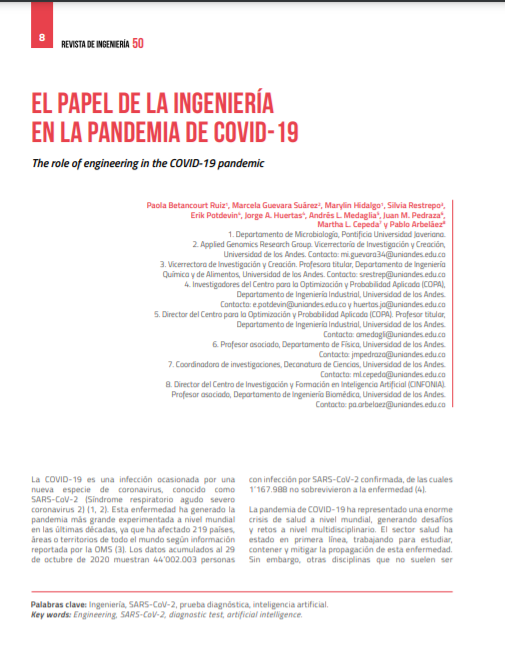
The consequences of the pandemic go beyond the impact on health, and engineering has also contributed to the management and evaluation of other impacts. Social distancing and the deployment of teleworking as a new alternative to work needs influenced the need to store a massive amount of useful data at accelerated speeds, as well as the application of mathematical, statistical, and algorithmic models for information processing. Consequently, during this pandemic, aspects of data science for big data analysis, services, and smart data have gained importance (9), along with the expansion of wireless networks and artificial intelligence.
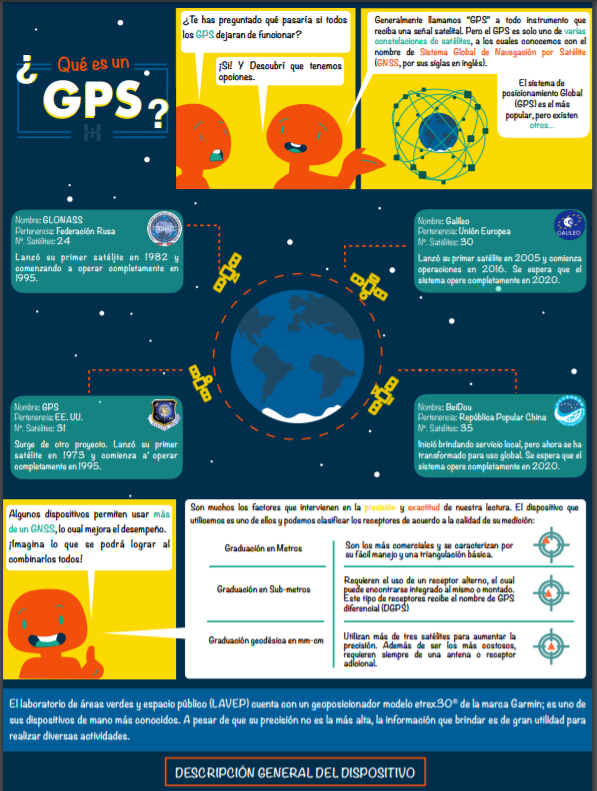
We generally refer to any device that receives a satellite signal as a “GPS.” However, GPS is just one of several satellite constellations, collectively known as the Global Navigation Satellite System (GNSS).
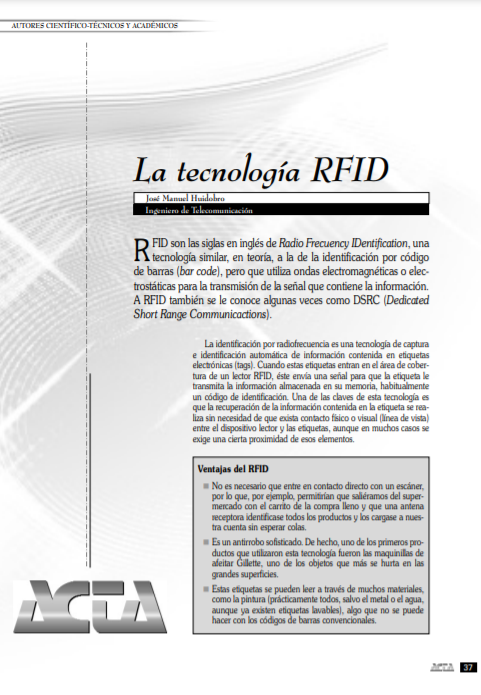
Therefore, RFID technology makes it possible to identify and transmit information about an object through radio frequency waves. To read this data, an RFID reader and antenna are required, which will identify the tag and remotely read the content of the smart label attached to the object.
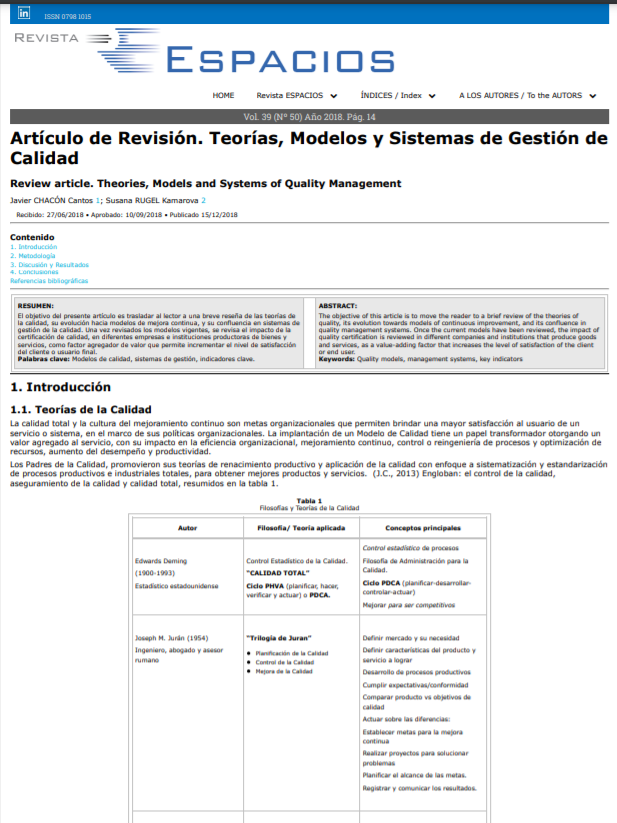
The objective of this article is to introduce the reader to a brief overview of quality theories, their evolution toward continuous improvement models, and their convergence into quality management systems within Industrial Engineering.
Where human sensitivity creates, dialogues, and is enhanced by AI

The Nursing Program exchanges knowledge in the country about hypnosis, perception, body and well-being.

FIRST CALL FOR APPLICATIONS FOR THE PROMOTION OF KNOWLEDGE AND LEARNING MANAGERS – 2026


If you have any questions, doubts, or concerns, please send an email to
It is the only authorized source for direct information about the event.
CGCA
CGCA
CGCA
CGCA