

View the subjects and phases that make up your undergraduate degree.





I am your virtual assistant, here to help you quickly and easily.
▲ Back to Top

Get to know the information that will help you take your next step.
+1.500
Graduated students
University of Cundinamarca
Agricultural Engineering
Agronomist
Undergraduate
University Professional
In-person
150 credits
9 semesters
View the subjects and phases that make up your undergraduate degree.
Agricultural Sciences

Agricultural Sciences
Agricultural Sciences
Agricultural Sciences
Agricultural Sciences
Agricultural Sciences
Agricultural Sciences
Agricultural Sciences
Agricultural Sciences
Specialization tracks allow you to tailor your education to specific areas of interest. Through specialized modules and course content, you can strengthen your skills, deepen your mastery of key topics in your discipline, and move forward with greater clarity in your academic and professional pursuits.
Mission: To educate, for life, entrepreneurial and innovative agronomists with knowledge of sustainable agricultural production systems within the context of rurality and territory, and of problems at the regional, national, and international levels.
Vision: In 2027, the Agronomic Engineering program at the University of Cundinamarca will be recognized for its high quality and its commitment to training citizens who are promoters of the social and economic development of the national agricultural sector, entrepreneurs and innovators regarding diverse sustainable and social-ecological agricultural production systems, and committed to food security and sovereignty.
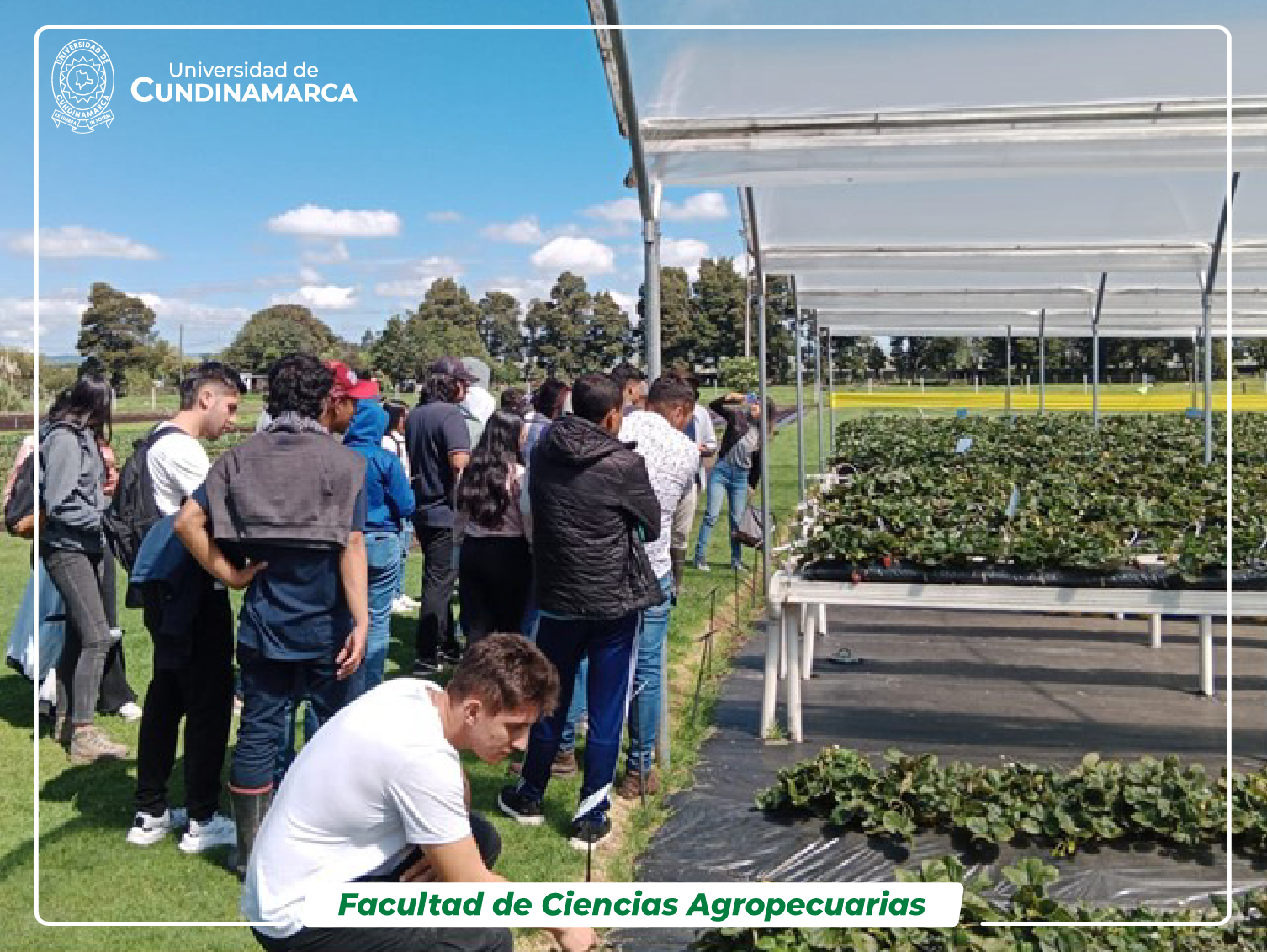
The agronomist designs, manages, and transforms plant production systems within the framework of the sustainability, sovereignty, and food security of the population, contributing to the comprehensive rural development of the territories.
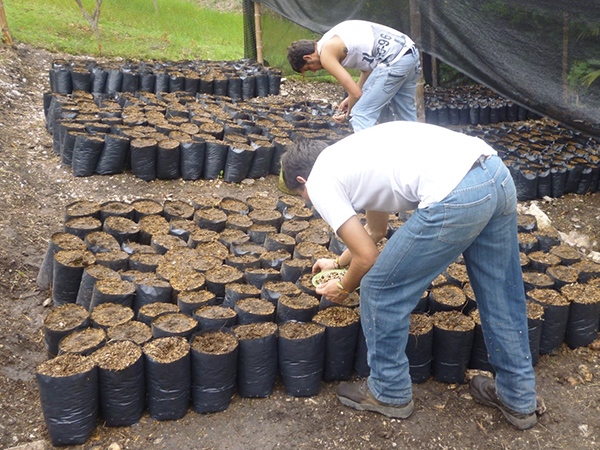
A professional trained to manage, lead, and evaluate various processes related to agricultural production, rural development, projects, technology transfer and adaptation, and the conservation of natural and energy resources in agroecosystems.
| First major milestone | Significant milestone | Amazing milestone | Extraordinary milestone | Revolutionary milestone |
| 1969 | 1970 | 1992 | 1997 | 2011 |
| Creation of the University Technical Institute – ITUC. It gave rise to the University of Cundinamarca. | Creation of the Agricultural Technology program. | Creation of the Agronomic Engineering Program in Fusagasugá and offered at the Facatativá Extension. | Renewal of qualified registrations: 2000, 2007, 2013. Holistic model configuration: areas of training. General Institutional Training, Basic Sciences, Specific Professional Training and Complementary Elective Training. | Strengthening Research: creation of 5 research groups and seedbeds of the Program. |
| Important milestone | World milestone | Significant milestone | Last major milestone | Special milestone |
| 2020 | 2022 | 2023 | 2024 | 2024 |
| Curriculum Redesign and New Study Plan within the Framework of the Transmodern Digital Educational Model – MEDIT. Distinctive Features of the Program in Sustainable Agricultural Production Systems, and Entrepreneurship, Rural Development and Territory. Multidimensional Learning Fields: Cultural Learning Field, Institutional Learning Field and Disciplinary Learning Field (Basic Sciences, Basic Engineering Sciences, Applied Engineering, Advanced Studies and Electives, and Complementary Training). | The Agronomic Engineering program begins self-evaluation processes with a view to High Quality Accreditation. | The program initiates the process of initial conditions for High Quality Accreditation. | The Agronomic Engineering program is evaluated by the National Accreditation Council of the Ministry of Education for initial conditions of High Quality Accreditation. | Educational purpose: To train entrepreneurial and innovative agricultural engineers for life within the context of rural areas and territories, applying their knowledge to sustainable agricultural production systems. Strengthening Science, Technology, and Innovation (STI) through participation in internal and external research calls for proposals. |
College of Agricultural and Life Sciences
College of Agricultural and Life Sciences
College of Agricultural and Life Sciences
College of Agricultural and Life Sciences