
I am your virtual assistant, here to help you quickly and easily.
▲ Back to Top
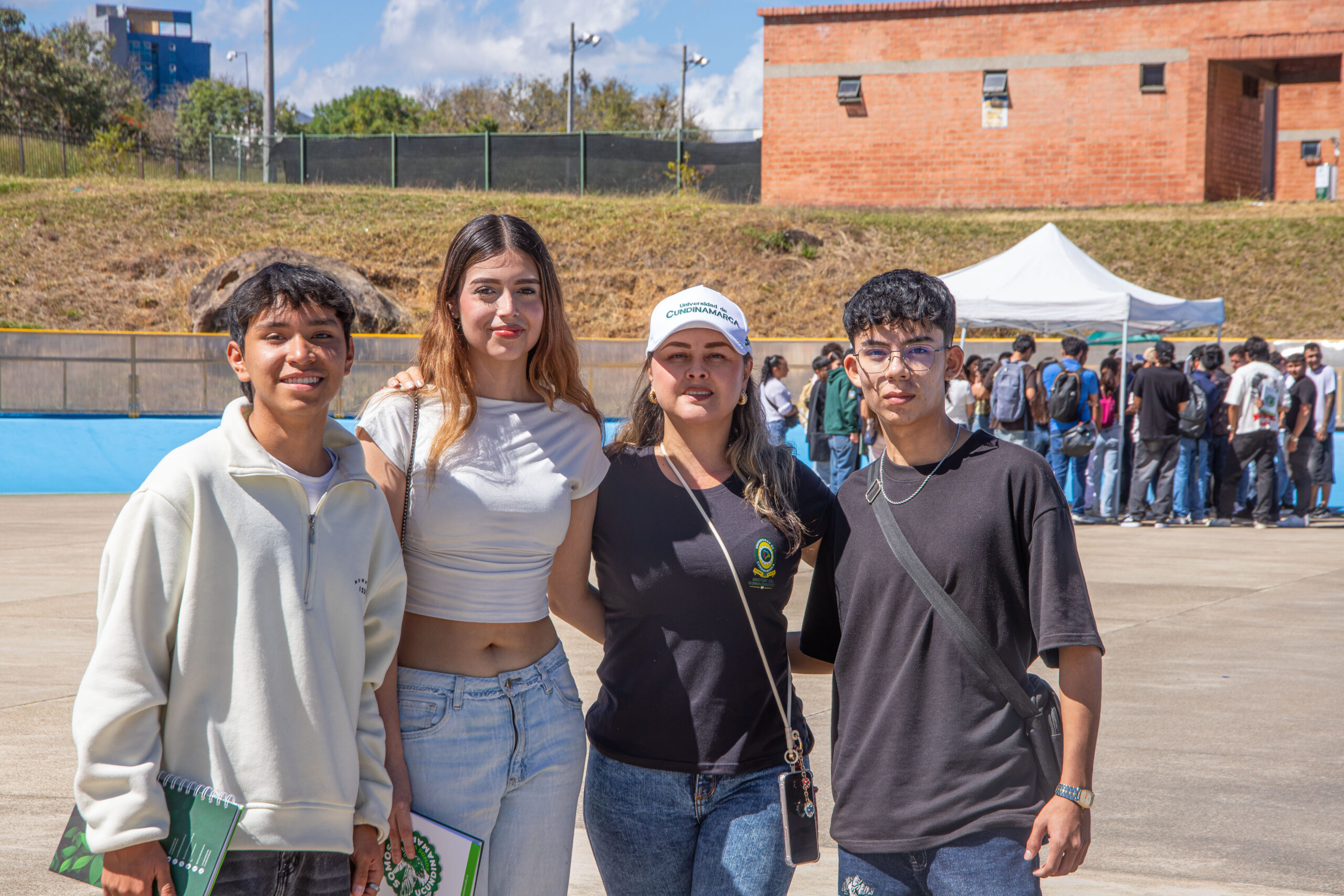
This is a support service comprised of knowledge managers, opportunity managers, and an interdisciplinary team ready to guide and advise students in academic processes through formative experiences with the aim of facilitating the introduction and adaptation to university life, the creation of study habits, the acquisition of techniques that facilitate learning, decision-making, the formation of judgment, the development of soft and social skills, and integration with groups.
For UCundinamarca, it is important to support knowledge managers in the implementation of strategies that strengthen student persistence with a focus on academic and personal support directed at the opportunity manager, where dissemination and strengthening of the student regulations, identification of learning styles and support in issues such as absenteeism, low performance and health situations that contribute to collaborative learning and the creation of support networks among students.
This comprehensive strategy focuses on identifying academic, emotional, and psychosocial risk factors that could negatively impact the achievement of expected learning outcomes. Recognizing these early warning signs allows for timely intervention in cases of absence or difficulties in the student's learning process. Furthermore, ongoing monitoring and support facilitate the student's adaptability throughout their education, promoting the development of learning experiences that effectively address their academic progress. This strategy also guides students in overcoming various psychosocial, individual, institutional, and family challenges they may face, thus ensuring their well-being and academic success.
Experiences with study techniques and time management: Strategies aimed at strengthening soft skills in order to obtain better results in the training and learning process of opportunity managers, with the purpose of contributing to the improvement of academic performance and optimization of time use, through techniques such as:
- Time planning.
- Productivity capacity.
- Collaborative work.
- Critical reading, among others.
Socioeconomic support: These are strategies defined by University Welfare that seek to mitigate the needs of the student community that may put their permanence in the institution at risk; these strategies are made up of: Socioeconomic Programs and Tuition Exemption.
External agreements: These are programs of the Regional and National Government, the Department of Social Prosperity and Icetex, which seek to facilitate access, retention and graduation of the vulnerable population linked to higher education and the consolidation of life trajectories from dignity and the guarantee of rights.

Attention Applicant!
View list of selected candidates hereApplicant
Applicant
Applicant
Applicant