Institutional high-quality accreditation link stiky-sticky

▲ Back to Top

General information

Get to know the information that will help you take your next step.

User User User faces 1.5K

+1.500

Graduated students

Institution

University of Cundinamarca

Program Name

Animal Science

Degree to be awarded

Animal scientist

Educational level

Undergraduate

Type of training

University Graduate

Methodology

In-person

Academic Credits

150 credits

Estimated duration

9 semesters

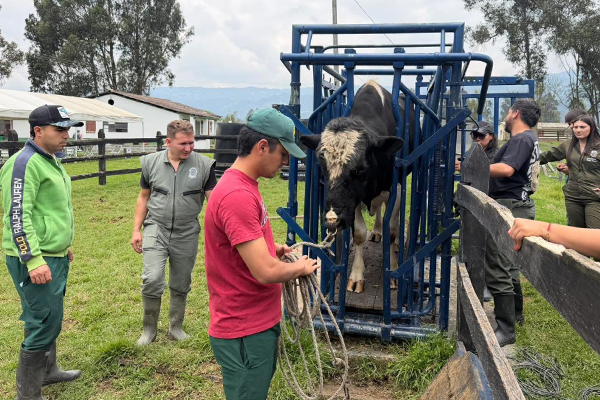
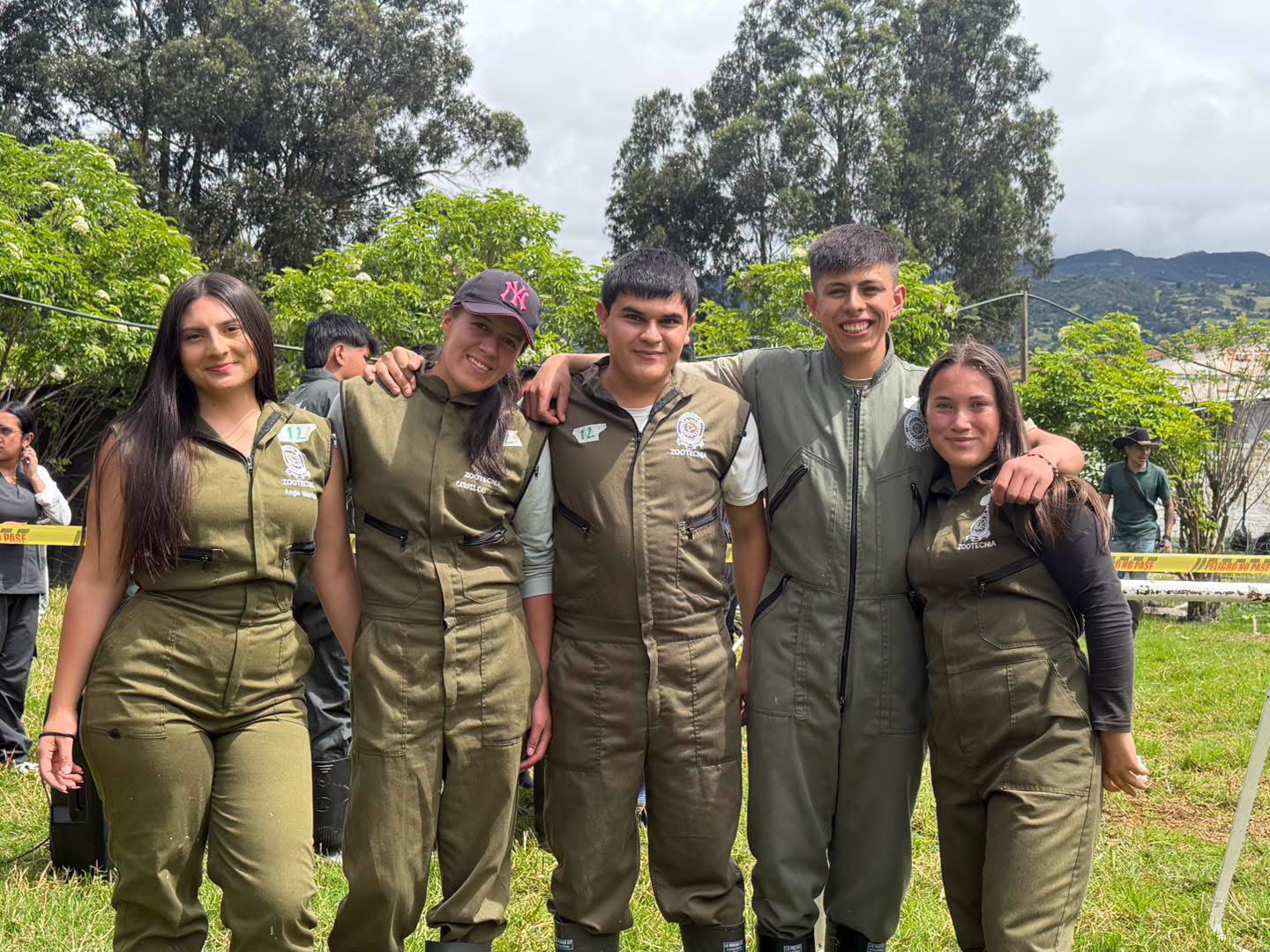
Estudiantes de zooctenia
Campus icon

Location of development

Ubaté Sectional:  SNIES 102822 –  RC 011553  06/23/2022 DEL MEN

animal science students
REGISTER HERE

Learning path

View the subjects and phases that make up your undergraduate degree.


Agricultural Sciences
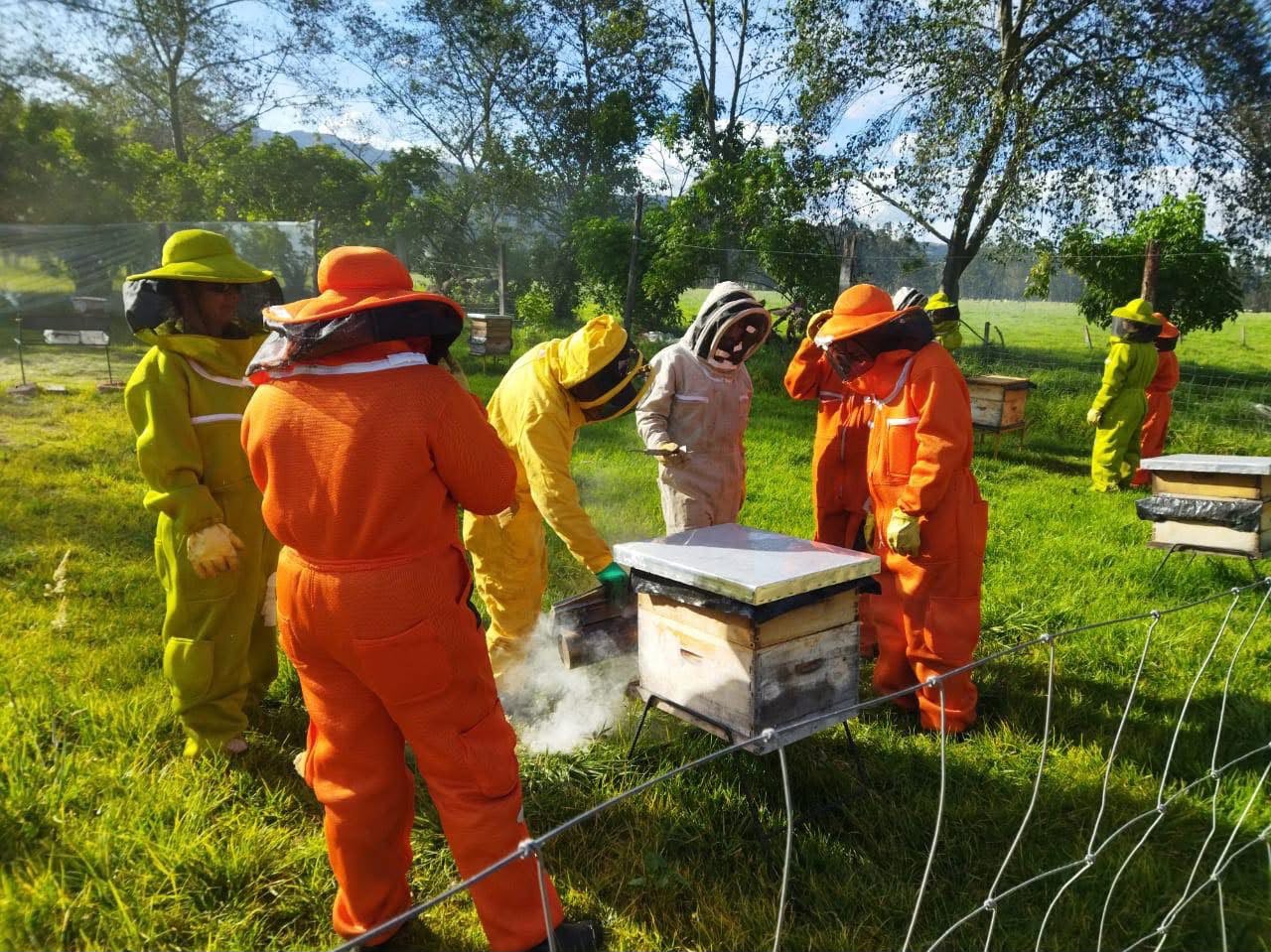
animal science students

Semester 1

  • Introduction to Animal Production Systems
  • Systems Thinking
  • Integrated Biology
  • Integrated Chemistry
  • Computer and Telematics Tools
  • Ecology and Natural Resources
  • Diagnostic and Leveling Course in Argumentative Reasoning
  • Diagnostic and Remedial Course in Communication and Critical Thinking

Agricultural Sciences

Environmental

Semester 2

  • Comparative Anatomy
  • Plant Botany and Morphophysiology
  • Metabolic Biochemistry
  • Applied Mathematics
  • 21st Century Citizen Diagnostic and Leveling Program
  • Foreign Language Diagnostic and Placement Test
  • Argumentative Reasoning
  • Communication and Critical Thinking

Agricultural Sciences

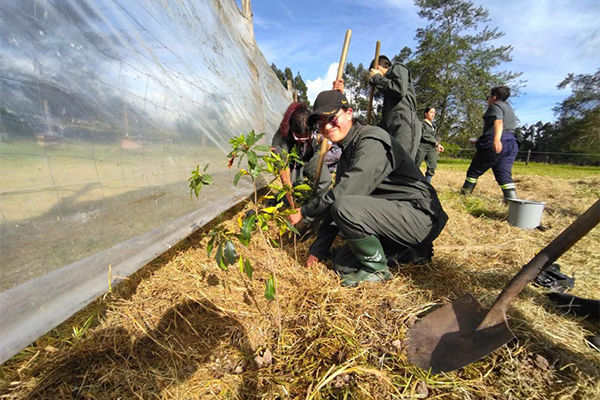
Specialization in Environmental Education and Community Development.

Semester 3

  • Animal Biophysics and Physiology
  • Microbiology
  • Applied Statistical Models
  • Animal Genetic Resources
  • 21st Century Citizen
  • Foreign Language
  • Communication and Critical Thinking

Agricultural Sciences

Environmental education

Semester 4

  • Integrated Animal Reproduction
  • Edaphology and Plant Nutrition
  • Strategic Production and Biotechnology of Forage Crops
  • Molecular Biology and Genetics
  • Agroecological Systems and Natural Resource Management
  • Foreign Language

Agricultural Sciences

Flower

Semester 5

  • Animal Nutrition
  • Applied Animal Breeding
  • Agricultural Economics
  • Sociology and Rural Development
  • Parasitology and Animal Health
  • Foreign Language
  • Diagnostic and Leveling Course in Entrepreneurship and Innovation
  • Diagnostic and Leveling Course in Science, Technology, and Innovation

Agricultural Sciences

Fotografia de cabras

Semester 6

  • Polygastric feeding
  • Monogastric Nutrition
  • Agricultural Marketing
  • Animal Welfare
  • Rural Designs and Geographic Information Systems
  • 21st Century Generation Lecture Chair
  • Foreign Language
  • Entrepreneurship and Innovation
  • Science, Technology and Innovation

Agricultural Sciences

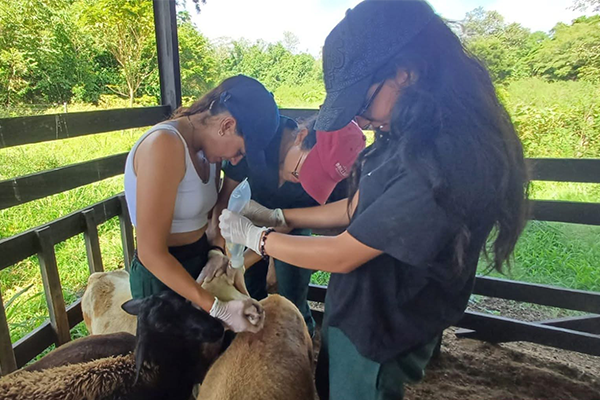
animal science student

Semester 7

  • Bovine Production Systems
  • Aquaculture Production Systems
  • Swine Production Systems
  • Minor Species Production Systems I
  • Equine Production Systems
  • In-Depth Study I
  • Entrepreneurship and Innovation
  • Science, Technology and Innovation

Agricultural Sciences

animal science student

Semester 8

  • Production Systems of Minor Species II
  • Food Science and Technology
  • Poultry Production Systems
  • Advanced Studies II
  • Social Responsibility of the Zootechnician
  • Integrated Project Management
  • Science, Technology and Innovation

Agricultural Sciences

Estudiantes de zooctenia

Semester 9

  • Advanced Studies III
  • Graduation Project

Specialization tracks

Specialization tracks allow you to tailor your education to specific areas of interest. Through specialized modules and course content, you can strengthen your skills, deepen your mastery of key topics in your discipline, and move forward with greater clarity in your academic and professional pursuits.

  • Specialization Track:  Science, technology, and innovation in milk production and processing.

  • Specialization Track:  Reproduction and genetic improvement of species of zootechnical interest.

Mission and Vision

Mission: To train zootechnicians, comprehensive managers of animal production systems who promote sustainable development, clean production, competitiveness, and the strengthening of agricultural production chains through processes of knowledge generation, social interaction, and business management, with local and translocal impact.


Vision: In the medium term, the animal science program will be recognized as a high-quality program, whose graduates will actively participate as transforming agents of the agricultural sector in multiple translocal contexts and with a criterion of sustainability.

Standing out in the long term for its impact in national and international arenas in the generation of knowledge with social responsibility, and innovative proposals for the improvement of animal production systems, consistent with the challenges of life preservation and consonant with the dynamics of the context.
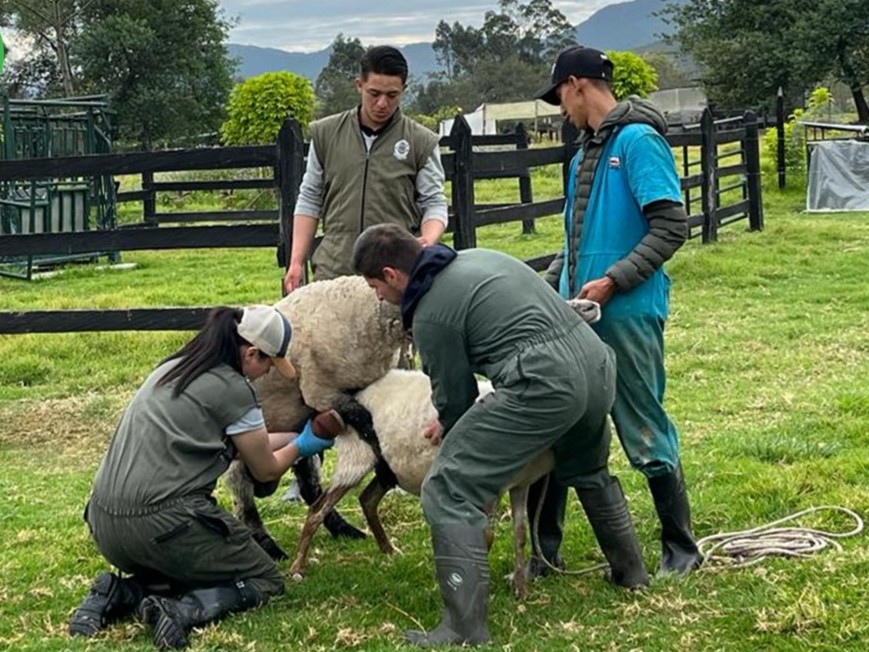
Professional Profile

Animal Science Ubate1

The Zootechnician from UCundinamarca can perform in accordance with changing context dynamics, with principles of sustainability, as a transforming agent in animal production systems and agricultural production chains, as a knowledge and/or business manager, to improve quality of life, food security, and the reconstruction of the social fabric.
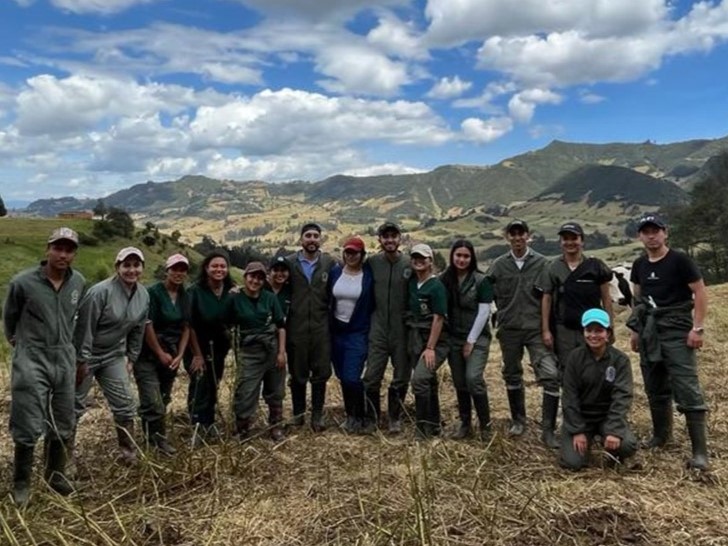
Occupational Profile

ZootecniaUbate2

The Zootecnista graduated from UCundinamarca will work as a transmodern leading manager of their own company and a dynamizer of organizations dedicated to animal production, participating in the development and application of scientific knowledge, innovating production processes aimed at optimizing environmental resources with social responsibility.

Expected Learning Outcomes of the Program

  • Understand animal production systems from systems thinking and its dimensions.
  • Establish animal production plans and/or projects through the generation of strategies for genetics and improvement programs, nutrition and feeding, reproduction, preventive health, livestock management and administration, which contribute to the improvement of human quality of life, ecosystem care and conservation, and/or goods and services linked to agricultural production systems; using tools appropriate to the context.
  • Participate in the managerial, organizational, and productive management of livestock enterprises, with the objective of increasing production rates and technical and economic productivity.
  • Comprehensive planning of the physical, technical, human, economic, and financial resources involved in the production, processing, marketing, and commercialization processes of animal-origin products and by-products.
  • Lead strategies for research, production, processing, transformation, industrialization, and commercialization of products, by-products, and services in animal production systems.
  • Structure study programs, agroecological use and conservation of species with productive potential, proposing viable alternatives for the sustainable development of natural resources.
  • Participate in technology transfer, rural extension, and social innovation processes focused on animal production systems and rural development, contributing to the qualification of the different stakeholders linked to livestock production.
  • Adapt knowledge, skills, and strengths to the changing potentials and needs of the environment, taking the real context as an opportunity for transformation.
  • Lead the formulation of rural development policies, improvement of the quality of life, and strengthening of the livestock subsector with criteria of social responsibility.
  • Incorporate advanced digital tools and context-appropriate technologies into animal production systems.

Professional Teacher Profiles

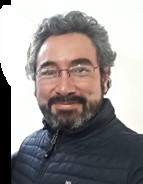
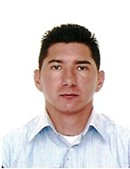
Erwin g. torres snchez

Erwin Giovanni Torres Sánchez

Zootechnical Engineer, National University of Colombia, Bogotá Campus.
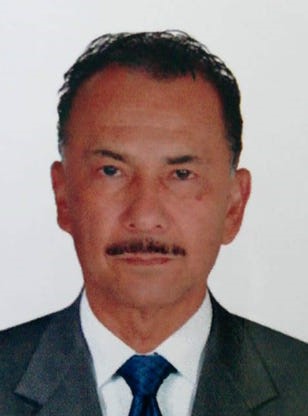
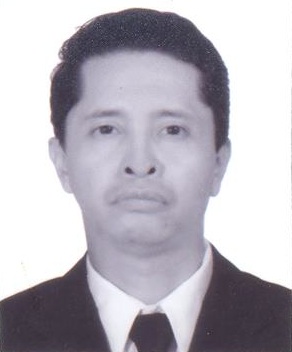
Ivan olimpo velsques parra

Ivan Olimpo Velasquez Parra

Zootechnician (B.Sc.), National University of Colombia, Bogotá Campus.
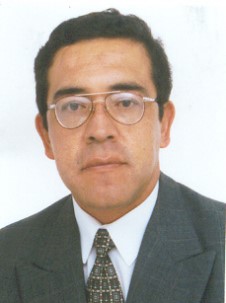
Javier eduardo cortes cortes

Javier Eduardo Cortés Cortés

Zootechnician, La Salle University
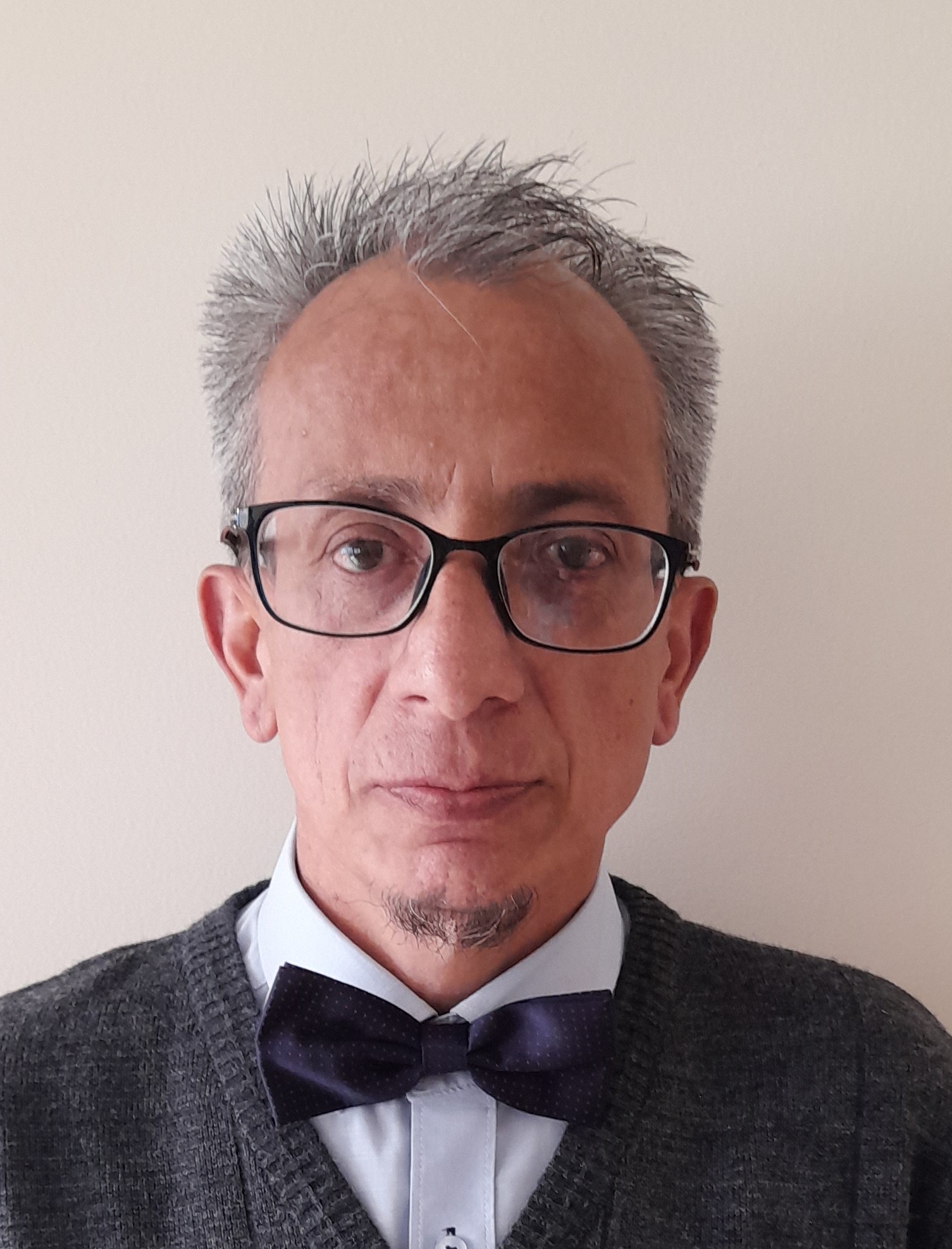
Jos fernando prez osorio

José Fernando Pérez Osorio

Animal Scientist (B.Sc.), Francisco de Paula Santander University, Ocaña
Luis e. snchez sarrazola

Luis Eduardo Sánchez Sarrazola

Animal Scientist Specialized in Project Evaluation and Formulation Master in Sustainable Development and Environment
Marbel yulieth monroy gonzlez

Marbel Yulieth Monroy González

Doctor of Veterinary Medicine and Zootechnics (MVZ) from the Pedagogical and Technological University of Colombia, Master of Science (MSc) in Animal Health with a research focus in Animal Reproduction from the National University of Colombia, Bogotá Campus.
Toms f gracia daz

Tomás Fernando Gracia Díaz

Bachelor of Science in Chemistry and Physics, Master of Science in Chemistry
Gustavo velasquez ramirez

Gustavo Velásquez Ramírez

Agricultural Business Management Professional Master's Degree in Project Management European University of Monterrey
Nancy milena valiente triana

Nancy Milena Valiente Triana

Bachelor in Chemistry – Universidad Distrital Francisco José de Caldas. Specialization student in Environmental Management – Fundación Universitaria del Área Andina.
Ehidy rocio pea can2

Ehidy Rocio Peña Cañón

Biologist with a Master's degree in Biological Sciences
Foto oscar lombo perfil

Oscar Lombo Vidal

Biologist, University of Tolima (Colombia) Ph.D. in Food Science, Federal University of Rio de Janeiro (Brazil)
JUDIT

Judith Castiblanco Beltrán

Animal Scientist, Universidad de La Salle. Specialist in Animal Genetics and Breeding, University of Applied and Environmental Sciences (UDCA).
Natali ximena

Natali Ximena Sánchez Garzón

Master of Science. Institute of Ecology (INECOL) A. C., Xalapa, Mexico. Bachelor of Science in Biology. Francisco José de Caldas District University, Bogotá, Colombia.
PAOLA ALVARADO

Paola Alexandra Alvarado Garcia

Veterinarian, Universidad de La Salle, Faculty of Agricultural Sciences. Master in Animal Production, National University of Colombia
WILSON

Wilson Eric Vermaas Quintana

Veterinary Doctor and Animal Science Specialist (MVZ), University of Applied and Environmental Sciences (UDCA), Bogotá, Colombia
DENNISE TARAZONA

Dennise Alejandra Tarazona Aponte

Veterinarian and Zootechnist (MVZ), Specialist in Food Safety and Quality (ESCA), graduate of the Pedagogical and Technological University of Colombia (UPTC)
ALBERTO MESA

Lino Alberto Meza Alba

Zootechnician graduated from the University of Pamplona, Specialist in Sustainable Animal Nutrition from UNAD, Master in Agricultural Sciences from the University of Pamplona
Fabian moreno rodriguez

Fabian Moreno Rodríguez

Marine Biologist, Jorge Tadeo Lozano University. Master in Sustainable Environmental Management, Universidad de los Llanos
Carlos felipe bosa ochoa

Carlos Felipe Bosa Ochoa

Ph.D. in Ecology and Sustainable Development. El Colegio de la Frontera Sur. Mexico. 2014. Certificate in Environmental Impact Assessment. Institute of Environmental Studies (IDEA), National University of Colombia, Bogotá. 2018

Historical Overview of the Program

Program Beginnings Educational Project MEDIT model Registration Renewal Future Projection
2013 2016 Update 2022 Animal Science
The origins of the Animal Science Program at the Ubaté campus date back to 2013, when the Ministry of Education (MEN) granted the first accredited registration under Resolution #13788 of October 2013, valid for 7 years, with a curriculum comprising 155 credits and a duration of 10 semesters. Based on its institutional educational mission statement (2016), the University of Cundinamarca emerges as a social organization dedicated to knowledge and translocal, transmodern, democratic, public, and autonomous learning—one that educates for life, upholds democratic values, civility, and freedom, and that functions as a multidimensional field of learning (Muñoz, 2018). “Through ”curricular reimagining”—a concept proposed by the Transmodern Digital Educational Model (MEDIT)—the University of Cundinamarca has established a series of processes to update the methodology and disciplinary approach of the Multidimensional Field of Learning. The Animal Science program at the Ubaté Campus is undergoing a restructuring and is coordinating with the Ministry of Education (MEN) on the process of renewing its accredited status, which was granted by Resolution #011553 dated June 23, 2022. Through the Ubaté Branch Animal Science Program, the University promotes education for life, democratic values, civility, and the freedom enshrined in its educational model, and the role of each participant within it, as part of an effort to overcome the barriers and limitations created by the current situation, in order to address the challenges of a translocal world that requires problem-solving by our students and future animal science professionals.

Team

Silhouette of a Man

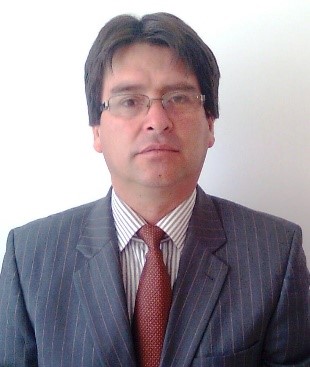
John Alexander Moreno Sandoval

Dean
Silhouette of a Man

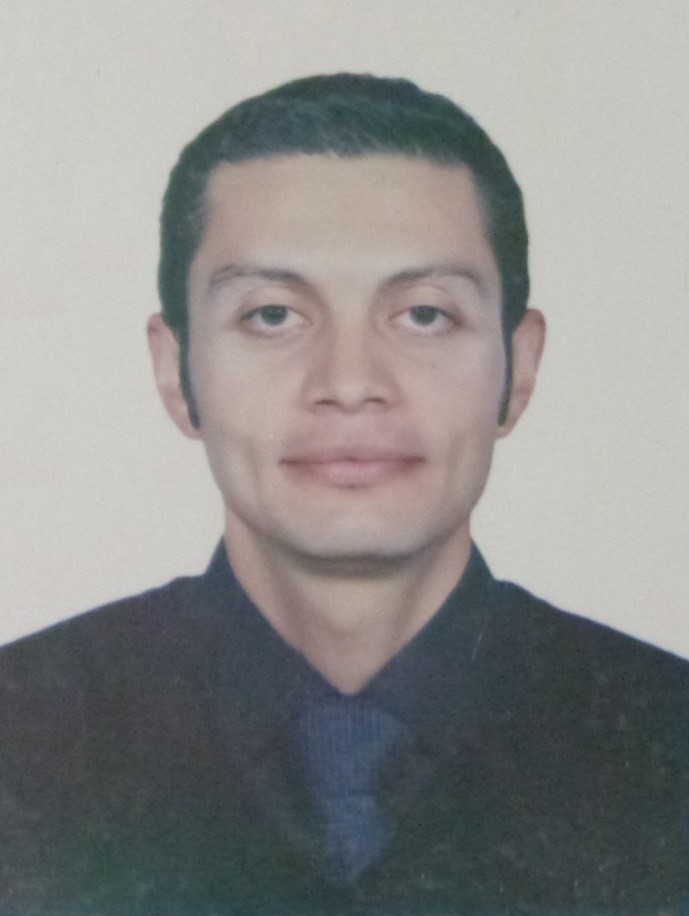
Luis Eduardo Sánchez Sarrazola

Animal Science Coordinator (Ubaté)

Contact

College of Agricultural and Life Sciences

Ubaté Sectional
(+57 1) 855 3055 Ext. 110 – 114

College of Agricultural and Life Sciences

College of Agricultural and Life Sciences

College of Agricultural and Life Sciences

College of Agricultural and Life Sciences