Institutional high-quality accreditation link stiky-sticky

▲ Back to Top

General information

Get to know the information that will help you take your next step.

User User User faces 1.5K

+1.500

Graduated students

Institution

University of Cundinamarca

Program Name

Veterinary Medicine and Animal Science

Degree to be awarded

Doctor of Veterinary Medicine and Zootechnics

Educational level

Undergraduate

Type of training

University Professional

Methodology

In-person

Academic Credits

150 credits

Estimated duration

9 semesters

Entry 2025 04 08
Campus icon

Location of development

Ubaté Sectional: SNIES: 117676 – RC 023594 MEN 2024-11-29

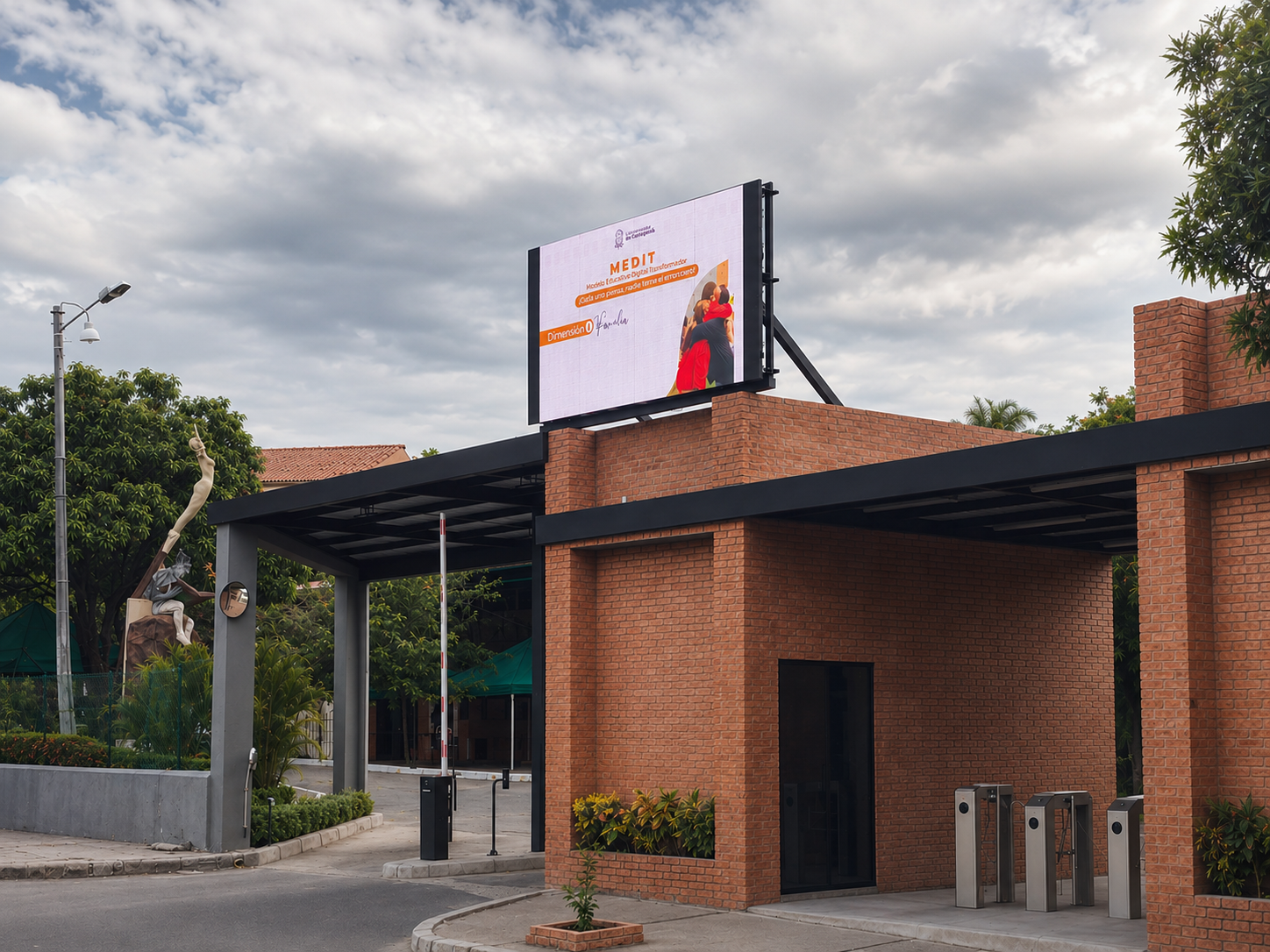
Girardot building facade
REGISTER HERE

Learning path

View the subjects and phases that make up your undergraduate degree.

Agricultural Sciences
Rabbit

Semester 1

  • CADI – Introduction to Veterinary Medicine and Zootechnics
  • CADI – Integrated Biology
  • CADI – Integrated Chemistry
  • CADI – IT and Telematics Tools
  • CADI – Ecology and Natural Resources
  • CAI – Logical and Quantitative Reasoning
  • CAI – Communication and Critical Reading

Agricultural Sciences

Specialization in Environmental Education and Community Development.

Semester 2

  • CADI – Comparative Animal Morphophysiology I
  • CADI – Plant Botany and Morphophysiology
  • CADI – Metabolic Biochemistry
  • CADI – Applied Mathematics
  • CAI – 21st Century Citizenship
  • CAI – Foreign Language
  • CAI – Logical and Quantitative Reasoning
  • CAI – Communication and Critical Reading

Agricultural Sciences

Environmental

Semester 3

  • CADI – Comparative Animal Morphophysiology II
  • CADI – Microbiology and Immunology
  • CADI – Molecular Biology and Genetics
  • CADI – Applied Statistical Models
  • CAI – 21st Century Citizenship
  • CAI – Foreign Language
  • CAI – Communication and Critical Reading

Agricultural Sciences

Flower

Semester 4

  • CADI – Semiology
  • CADI – Edaphology and Plant Nutrition
  • CADI – Strategic Production and Forage Biotechnology
  • CADI – Integrated Histopathology
  • CADI – Agroecological Systems and Natural Resource Management
  • CADI – Sociology and Rural Development
  • CADI – Animal Genetic Resources
  • CAI – Foreign Language

Agricultural Sciences

Environmental education

Semester 5

  • CADI – Integrated Animal Reproduction
  • CADI – Animal Nutrition
  • CADI – Applied Animal Improvement
  • CADI – Parasitology, Health and Integrated Public Health
  • CADI – Agricultural Economics and Marketing
  • CAI – Foreign Language
  • CAI – Entrepreneurship and Innovation
  • ICT – Science, Technology and Innovation

Agricultural Sciences

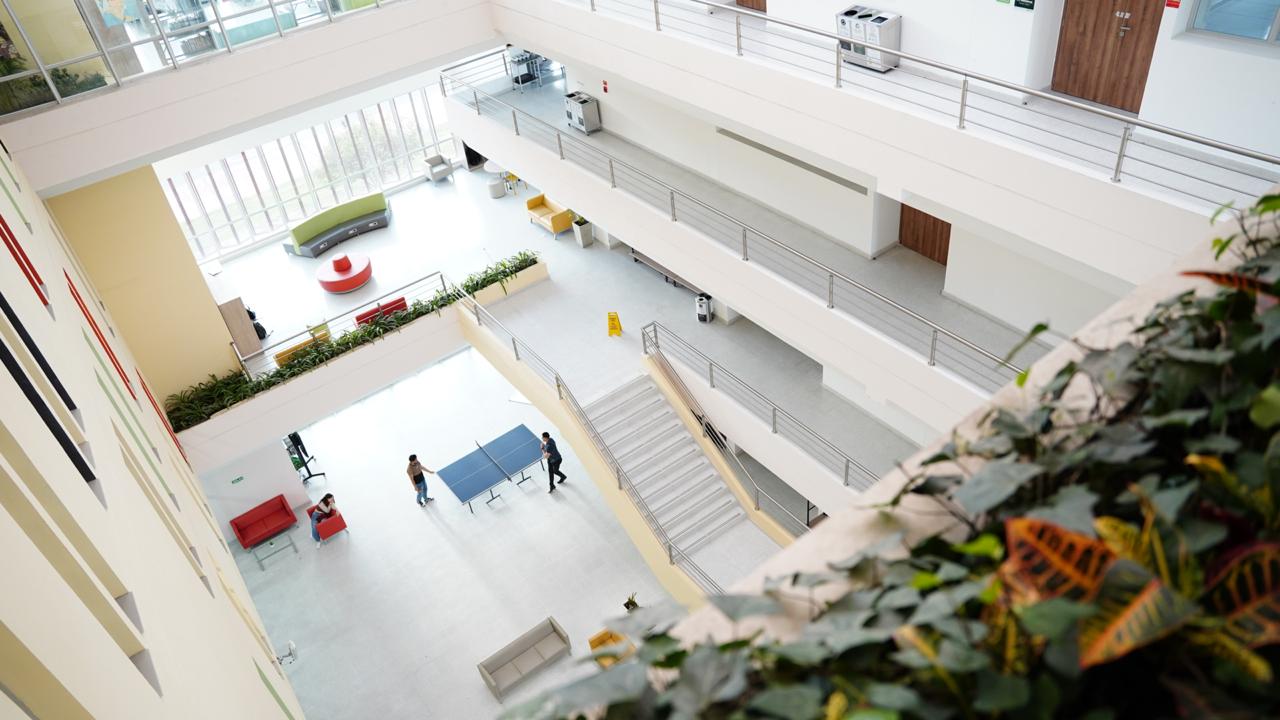
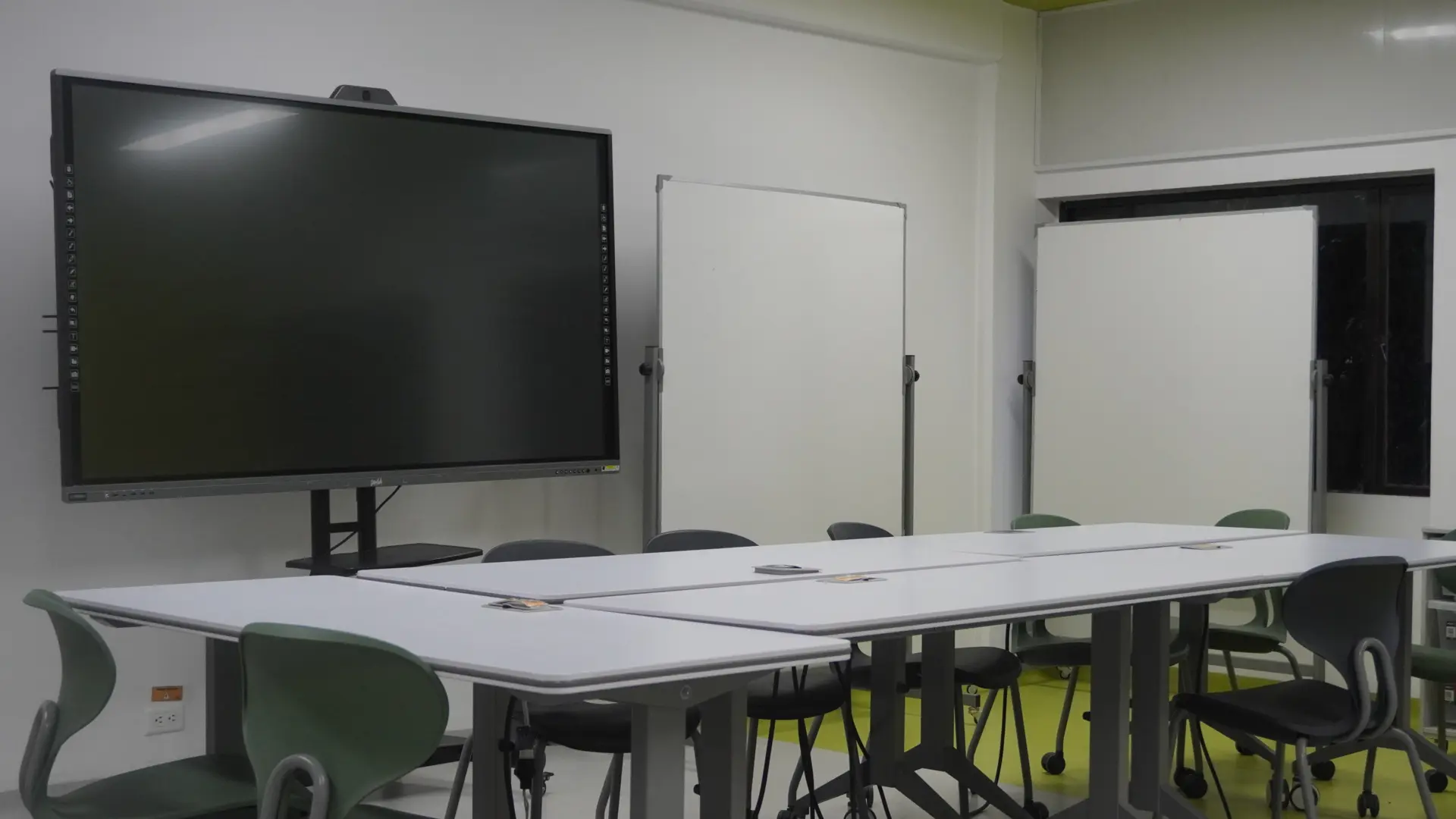
Photograph of CAI rooms

Semester 6

  • CADI – Animal Nutrition
  • CADI – Pharmacology
  • CADI – Clinical Pathology
  • CADI – Disciplinary Deepening I
  • CADI – Disciplinary Deepening I
  • CAI – 21st Century Generation Chair
  • CAI – Foreign Language
  • CAI – Entrepreneurship and Innovation
  • ICT – Science, Technology and Innovation

Agricultural Sciences

cgca library

Semester 7

  • CADI – Farm Animal Clinic and Production I
  • CADI – Toxicology
  • CADI – Radiology and Diagnostic Imaging
  • CADI – Rural Designs and Geographic Information Systems
  • CADI – Disciplinary Deepening II
  • CADI – Disciplinary Deepening II
  • CAI – Entrepreneurship and Innovation
  • ICT – Science, Technology and Innovation

Agricultural Sciences

WhatsApp Image 2026 05 27 at 7.18.30 PM

Semester 8

  • CADI – Clinic and Production of Farm Animals II
  • CADI – Companion Animal Clinic and Production
  • CADI – Ethology and Animal Welfare
  • CADI – Food Science and Technology
  • CADI – Integrated Project Management
  • CADI – Disciplinary Deepening III
  • CADI – Disciplinary Deepening III
  • ICT – Science, Technology and Innovation

Agricultural Sciences

Girardot Cai Room

Semester 9

  • CADI – Farm Animal Clinic and Production Rotation
  • CADI – Companion Animal Clinic and Production Rotation
  • Thesis
  • CADI – Disciplinary Deepening IV
  • CADI – Disciplinary Deepening IV

Specialization tracks

Specialization tracks allow you to tailor your education to specific areas of interest. Through specialized modules and course content, you can strengthen your skills, deepen your mastery of key topics in your discipline, and move forward with greater clarity in your academic and professional pursuits.

  • Specialization Track: Animal species in wildlife susceptible to production.

  • Specialization Track: Animal species susceptible to reproductive intervention.

Mission and Vision

Mission: Train Veterinary Zootechnicians as managers of the animal health, public health, and livestock production systems interface, who promote strategies for health intervention and the improvement of animal production, sustainable development, clean production, competitiveness, and the strengthening of agri-productive chains, the quality of which is generated through training and learning processes, technology, research and innovation, social interaction, and business management with local and translocal impact.


Vision: By 2030, the Veterinary Medicine and Animal Science program will be recognized for its quality education, whose graduates will actively participate as transforming agents of the agricultural sector in multiple translocal contexts and with criteria of welfare and sustainability. It will stand out in the long term for its impact in national and international scenarios in the generation of knowledge with social responsibility, and innovative proposals for the improvement of the sanitary and productive status of agricultural systems, consistent with the challenges of preservation and the care of life, nature, the environment, and humanity.
Admission Profile

Entry 2025 04 08

The applicant to the Veterinary Medicine and Animal Science program must be a person who complies with current regulations for admission to Higher Education at the University of Cundinamarca; must possess strengths in natural and exact sciences, communication skills, and an interest in and appropriation of the agricultural sector in its sanitary and productive components. They must be an individual with strengths that allow them to project toward social work, with commitment and a community sense at the local, regional, and national levels in favor of the defense of animal and human life.

Professional Profile

Entry 2025 04 08

The Veterinary Zootechnist from the University of Cundinamarca will integrally address animal health and strengthen processes for improving the quality of animal and human life, within the context of health and the control of agri-production chains, the protection of natural resources, food security, and the reconstruction of the social fabric at a translocal level; based on technical principles grounded in prevention/treatment and sustainability, in response to changing contextual dynamics, as a manager of the animal health, public health, and livestock production systems interface.

Occupational Profile

Entry 2025 04 08

The Veterinary Zootecnist trained at the University of Cundinamarca will work as a transmodern manager within the One Health approach, as well as a leader of their own company and a driving force behind organizations dedicated to the prevention and treatment of animal diseases that impact human health, in harmony with the environment, participating in the development of policies and the application of the scientific method, innovating processes for improving the sanitary and agricultural-livestock productive status aimed at optimizing natural resources with ethics and social responsibility.

Educational Objective

The Veterinary Medicine and Zootechnics program has the following training purposes.

  • To train professionals grounded in a transmodern current that suggests transformation, translocality, and real-time solutions.
  • Promote the development of the agricultural and livestock sector framed within concepts of sustainability, improvement of health status, environmental care, post-conflict, and social interaction in general.
  • Educate professionals through Science, Technology, and Innovation who contribute to the construction of knowledge for the development of the agricultural sector and the country, as well as to the improvement of the quality of life for the entire population.
  • Generate development and knowledge proposals that contribute to improving the human quality of life by providing the community with prevention tools for vector-borne diseases, food security (including prevention strategies for foodborne illnesses) and/or goods and services linked to animal production systems.


Research Groups

The Faculty of Agricultural Sciences has 14 active research groups; primarily for the Veterinary Medicine and Zootechnics program, research processes will be carried out through the research group called Área Verde, which is categorized by MinCiencias at level A and includes the participation of professors assigned to the Faculty with research duties, although it will also be supported by other groups within the Faculty.

Team

Silhouette of a Man

John Alexander Moreno Sandoval

Dean
Silhouette of a Man

Luis Eduardo Sánchez Sarrazola

Coordinator

Contact

College of Agricultural and Life Sciences

Fusagasugá Branch
Block F – 1st Floor
(+57 1) 828 1483 Ext. 149

Undergraduate

Undergraduate

Undergraduate

Undergraduate