View the subjects and phases that make up your undergraduate degree.





I am your virtual assistant, here to help you quickly and easily.
▲ Back to Top

Get to know the information that will help you take your next step.
+1.500
Graduated students
University of Cundinamarca
Systems and Computer Engineering
Systems and Computing Engineer
Undergraduate
University Graduate
In-person
153
9 semesters
View the subjects and phases that make up your undergraduate degree.
Engineering
Engineering
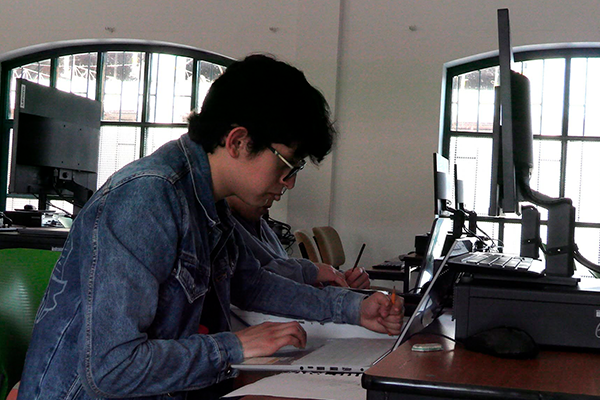
Engineering
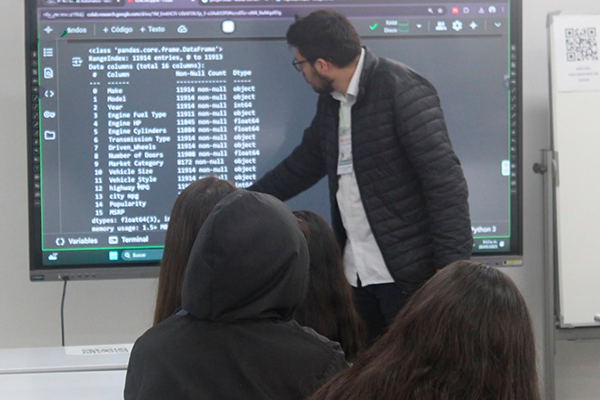
Engineering
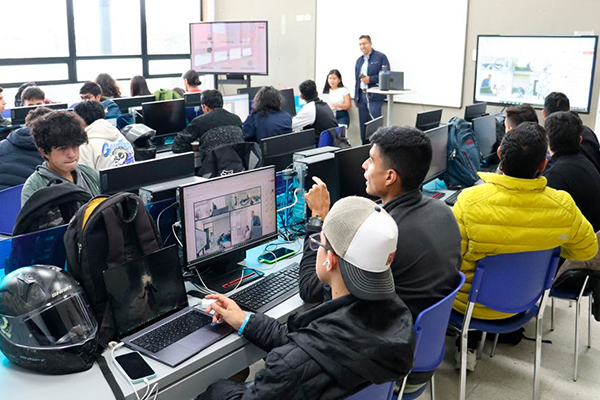
Engineering

Engineering
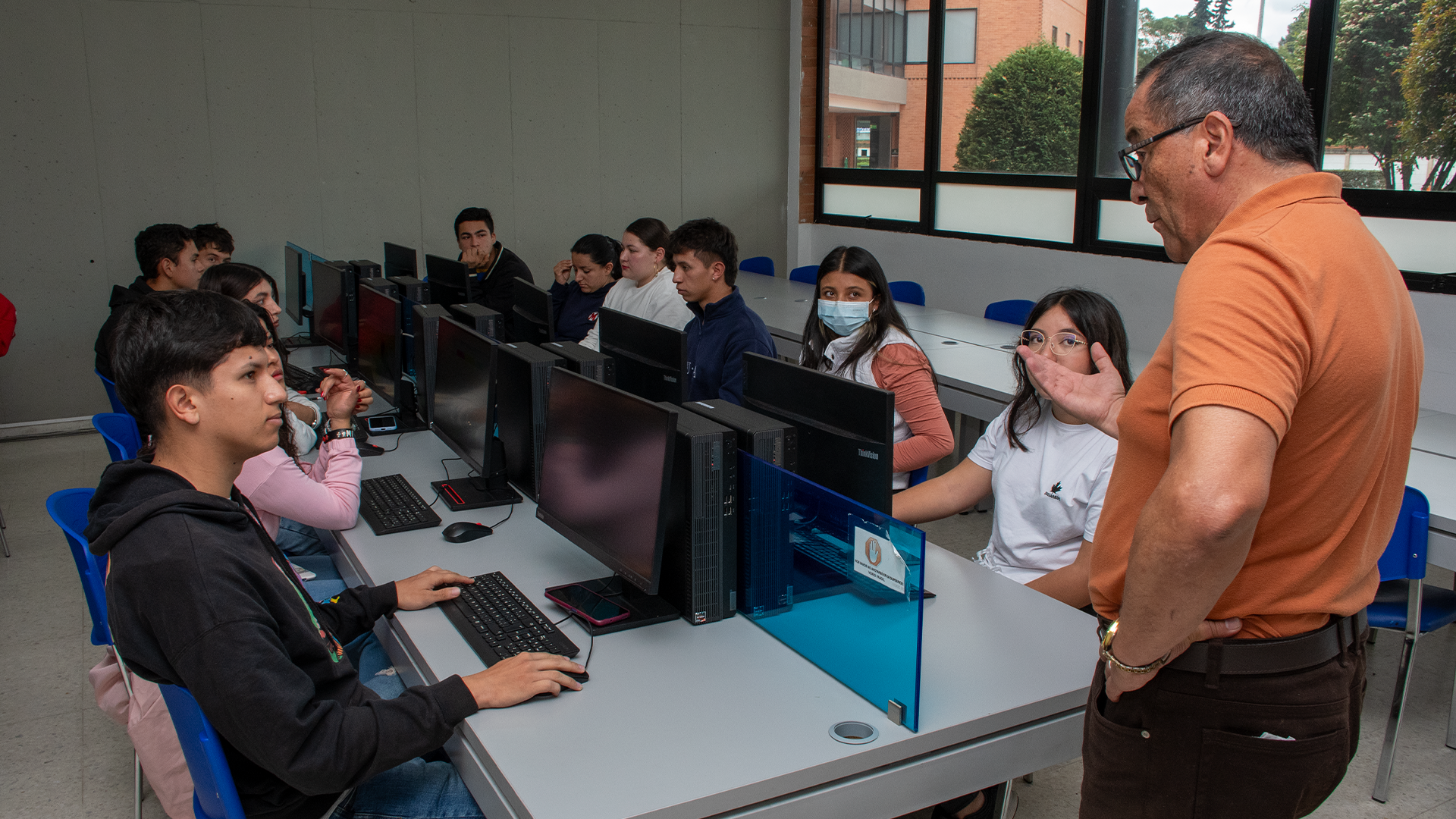
Engineering
Engineering
Engineering
Engineering
Engineering

Engineering
Engineering
Engineering
Engineering
Engineering
Engineering
Engineering
Specialization tracks allow you to tailor your education to specific areas of interest. Through specialized modules and course content, you can strengthen your skills, deepen your mastery of key topics in your discipline, and move forward with greater clarity in your academic and professional pursuits.
Specialization Track: Secure and Quality Software.
Specialization: Specialization in Quality Methodologies for Software Development.
Specialization Track: Big data.
Specialization: Specialization in Analytics and Data Science.
Specialization Track: Artificial Intelligence.
Specialization: Specialization in Artificial Intelligence.
Specialization Track: Secure and Quality Software.
Specialization: Specialization in Information Security (Pending MEN approval).
Specialization Track: Data Science.
Specialization: Specialization in Analytics and Data Science.
Specialization Track: Software Development.
Specialization: Specialization in Information Security (Pending MEN approval).
Specialization Track: Artificial Intelligence.
Specialization: Specialization in Artificial Intelligence.
Mission: To train engineers with solid knowledge in the disciplines of Information Systems and Computer Engineering, equipped with the skills to work in transdisciplinary teams that contribute solutions to address the technological challenges of the local, national, and global environment from a translocal and transmodern perspective.
Vision: The Systems and Computer Engineering program of the University of Cundinamarca will be recognized by society, at the local and translocal levels, as an agent of transmodernity, a generator of relevant and pertinent knowledge in the disciplines of Information Systems and Computer Engineering, and for High Quality Accreditation in the results of its core mission processes.
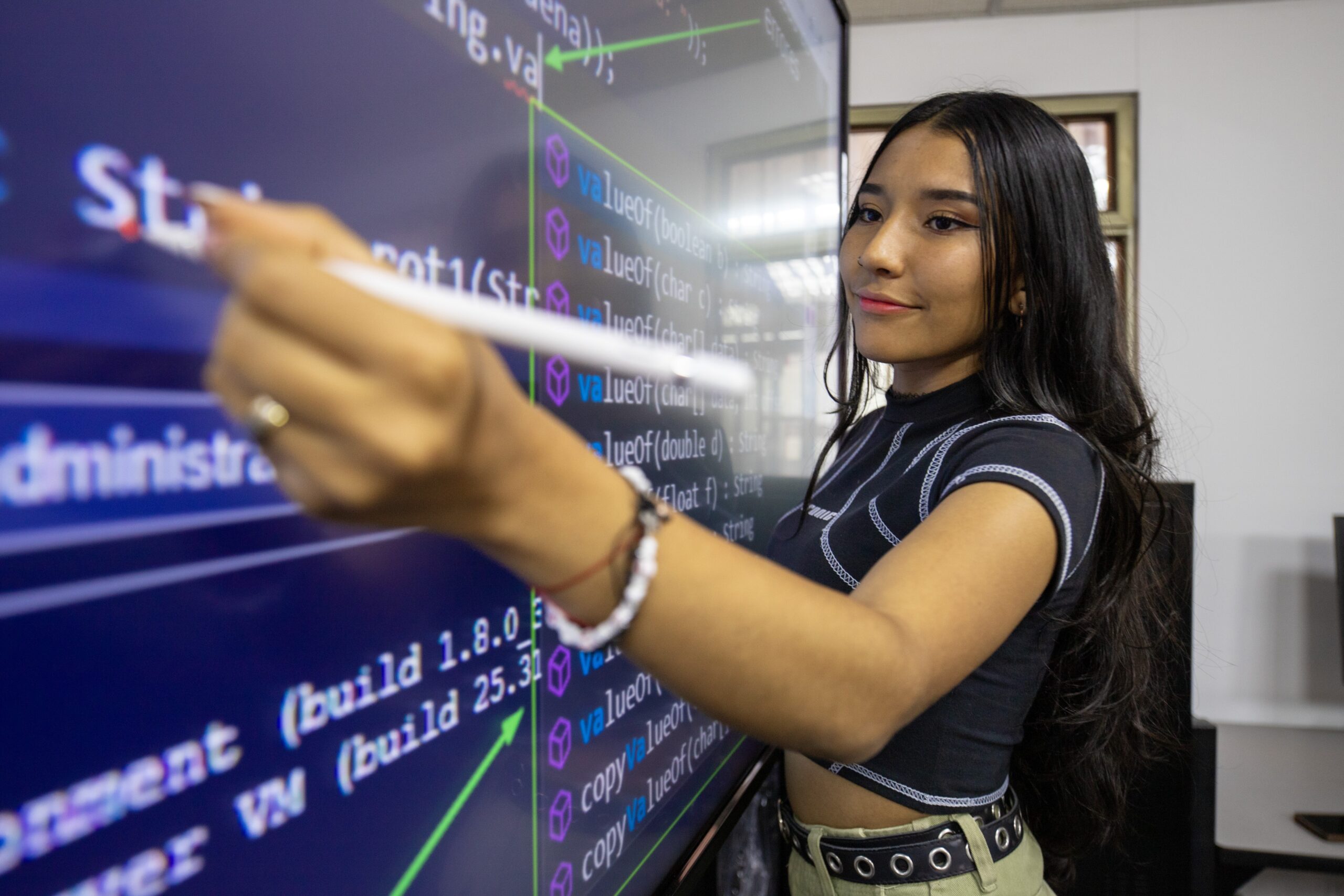
The applicant for the Systems and Computer Engineering training program at the University of Cundinamarca is characterized by:
Engineer who plans, develops, implements, manages, and evaluates alternative solutions that contribute to addressing technological, local, and translocal challenges related to Information Systems and Computer Engineering.
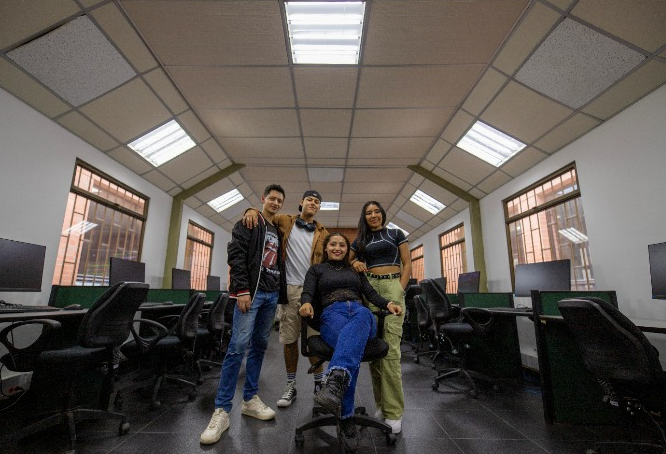
The Systems and Computing Engineer from the University of Cundinamarca can work in the following activities:
organizations in identifying technological opportunities in the field of information systems and computer engineering, in the guidance and evaluation of technological alternatives, in consulting and training IT human talent, as well as in the design of information and communication technology strategic plans.





| January 18 | May 4th | July 11 | April 30 |
| 1996 | 1996 | 2005 | 2013 |
| Creation of the Systems Engineering program in 1996 through Agreement 003 of January 18th, Superior Council. | Academic activities begin with 40 students. | Obtaining the Qualified Registration for 7 years Resolution No. 2718. | Renewal of the Qualified Registration for 7 years Resolution No. 4777. |
| June 17 | (No specific date) |
| 2020 | 2023 |
| Renewal of the Qualified Registration for 7 years Resolution No. 4777. | Renewal of the Qualified Registration for 7 years RC 009889. |
The proposed objectives respond to the mission and vision of the University of Cundinamarca, insofar as they propose the comprehensive training of professionals with the ability to propose efficient solutions in sectors such as agro-industrial, commercial, financial, and academic sectors in the region and the country, among others.
SYSTEMS AND COMPUTER ENGINEERING FUSAGASUGÁ
The research group of the Systems and Computing Engineering Program, Fusagasugá campus INGENIUM SUTA It is categorized C by Colciencias and is framed within the Research line of learning, knowledge, technologies, communication and digitization. It has the following Research groups:
SYSTEMS AND COMPUTER ENGINEERING FACATATIVA
The research group of the Systems and Computing Engineering Program, Facatativá extension GISFTA It is categorized C by Colciencias and is framed within the Research line of learning, knowledge, technologies, communication and digitization. It has the following Research groups:
SYSTEMS AND COMPUTING ENGINEERING CHÍA
The Systems and Computer Engineering program at the Chía extension has two research groups, NANOINGENIERIA and S@R@ (Scientific Academic Research Activity), categorized as B by Colciencias, and four research incubators: UPS, SISE, INVENSOFT, and IDCI, where research processes are developed within the program's research lines.
SYSTEMS AND COMPUTER ENGINEERING UBATÉ
The Systems and Computer Engineering program at the Ubaté campus considers research a fundamental pillar of knowledge. For this reason, the Ebaté research group was created in 2009 as a strategy for the academic and research development of the program. Ebaté is a Chibcha word that, according to Joaquín Acosta Obregón, means "granary" or "seedbed of the gorge"—its toponym being Ubaté. The group frames its research processes and projects within the translocal research line of Learning, Knowledge, Technologies, Communication, and Digitization.
Currently, the research group has two research incubators:
School of Engineering
Fusagasugá Branch
Block F – 1st Floor
(+57 1) 828 1483 Ext. 144
School of Engineering
School of Engineering
School of Engineering
School of Engineering