Institutional high-quality accreditation link stiky-sticky

▲ Back to Top

General information

Get to know the information that will help you take your next step.

User User User faces 1.5K

+1.500

Graduated students

Institution

University of Cundinamarca.

Program Name

Psychology

Degree to be awarded

Psychologist

Educational level

Undergraduate

Type of training

University Graduate

Methodology

In-person - Daytime shift

Academic Credits

154 credits

Estimated duration

9 semesters

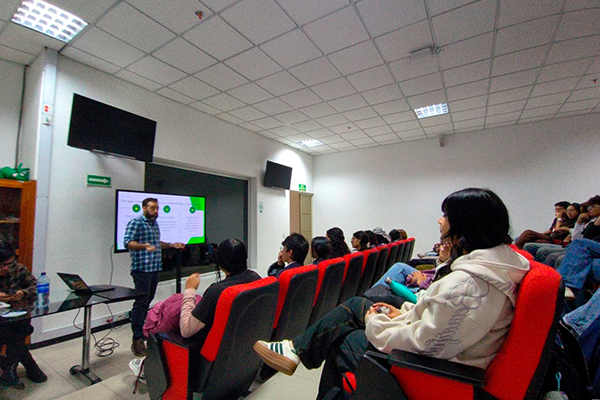
Enfermeriageneral students at conference
REGISTER HERE

Learning path

View the subjects and phases that make up your undergraduate degree.


Social sciences, humanities, and political science
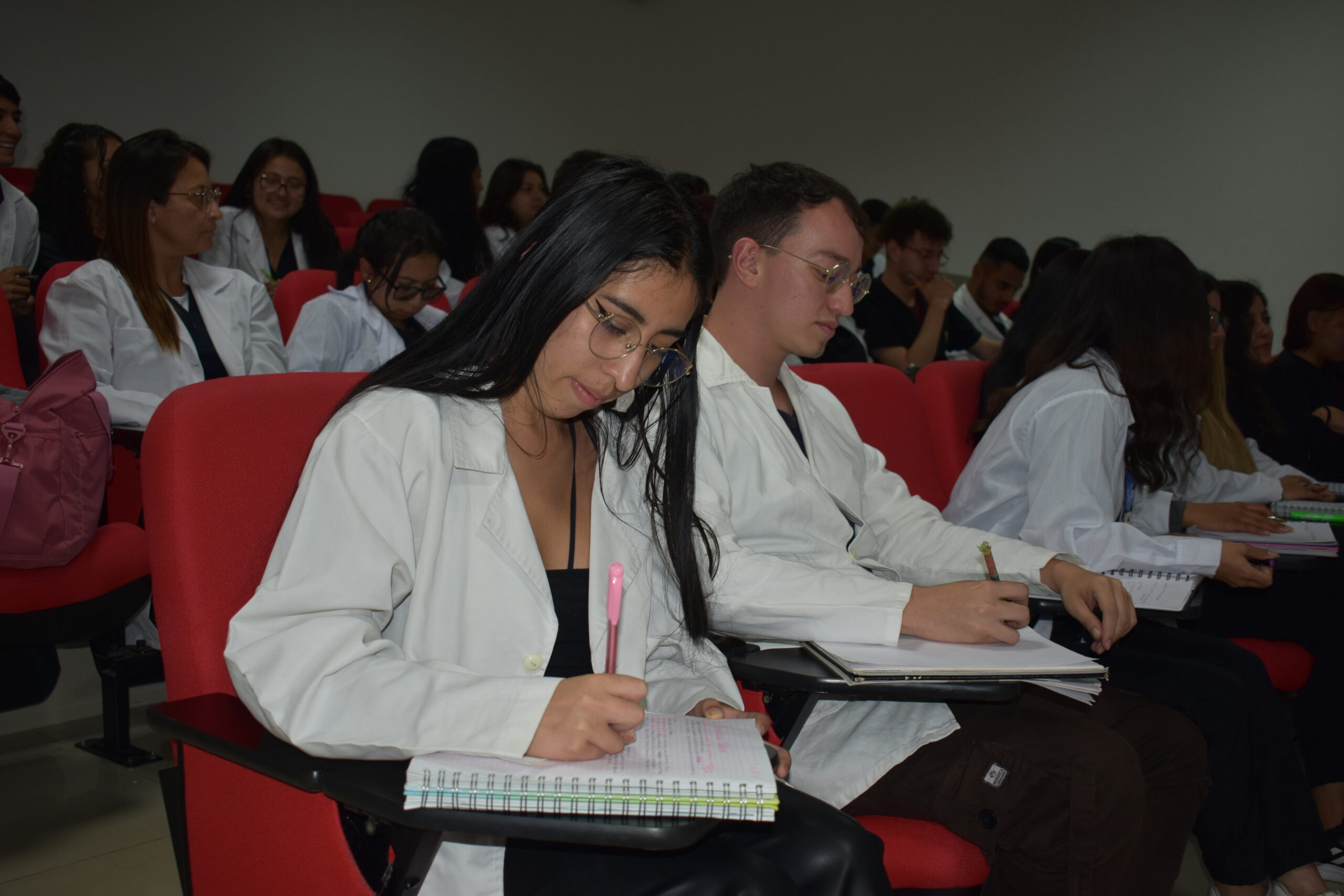
students at conference

Semester 1

  • Mathematics I
  • Ethics and Institutional Identity
  • Reading and Writing Skills
  • English I
  • History of Psychology
  • Biology
  • Introduction to Psychology
  • Comprehensive General Education Elective

Social sciences, humanities, and political science
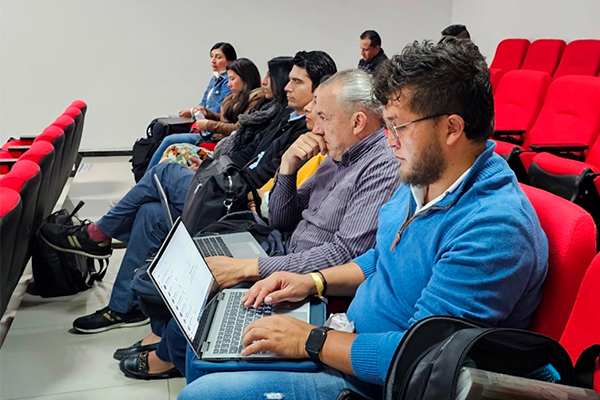
profesores en conferencia

Semester 2

  • Descriptive and correlational statistics
  • Research Fundamentals
  • Introduction to Social Psychology
  • English II
  • Learning I
  • Morphophysiology
  • Basic Processes I

Social sciences, humanities, and political science
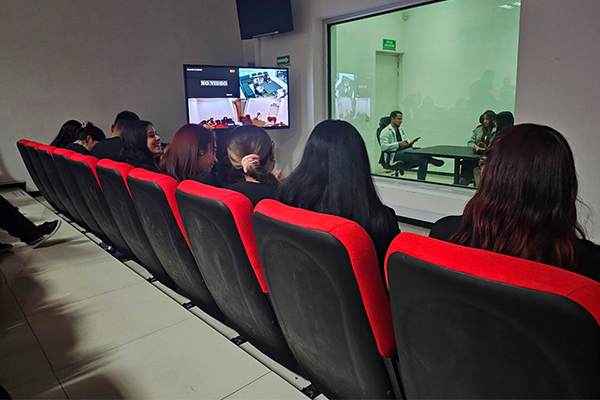
estudiantes en pruebas

Semester 3

  • Inferential Statistics
  • Research Methods in Psychology
  • childhood and adolescence life cycle
  • English III
  • Learning II
  • Child Neuropsychology
  • Basic Processes II

Social sciences, humanities, and political science
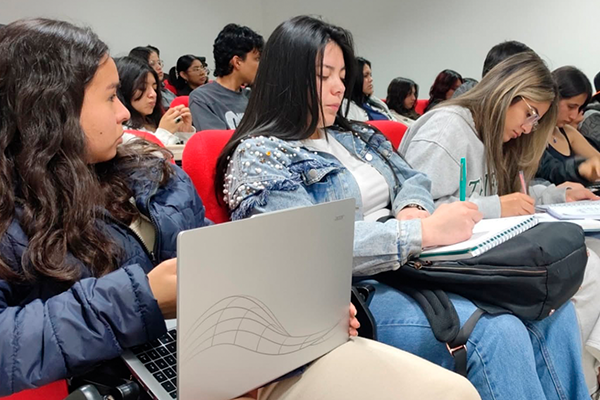
students at conference

Semester 4

  • Measurement and Assessment: General Psychometrics
  • Research Designs I
  • Adulthood and old age life cycle
  • Technical English IV
  • Social Foundations of Behavior
  • Neuropsychology in Adulthood and Old Age
  • Cognition
  • Disciplinary elective

Social sciences, humanities, and political science
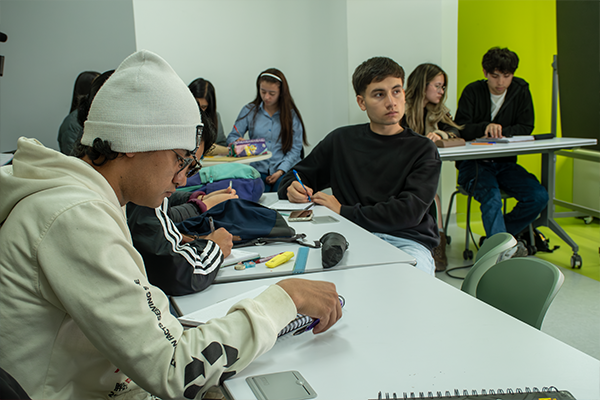
estudiantes en clase

Semester 5

  • Measurement and Evaluation II: Intelligence and Aptitude
  • Research Designs II
  • Differential and Personality Psychology
  • Assessment and Interview
  • Theories and Systems
  • Abnormal Behavior Psychology I
  • Disciplinary elective
  • Constitution and Democracy

Social sciences, humanities, and political science
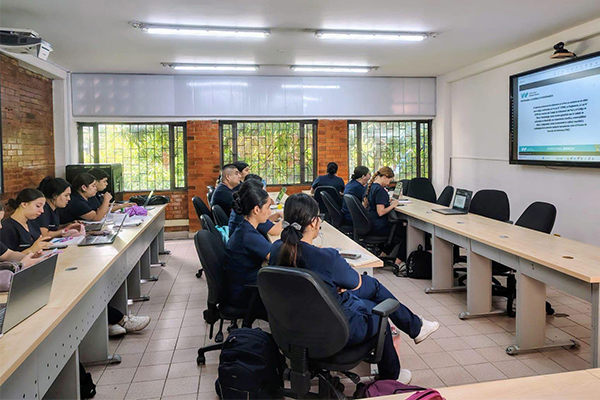
estudiantes en clase

Semester 6

  • Measurement and Evaluation III: Social Data
  • Evaluation and formulation
  • Research Seminar I
  • Clinical Psychology
  • Family and Society
  • Abnormal Psychology II
  • Disciplinary elective

Social sciences, humanities, and political science
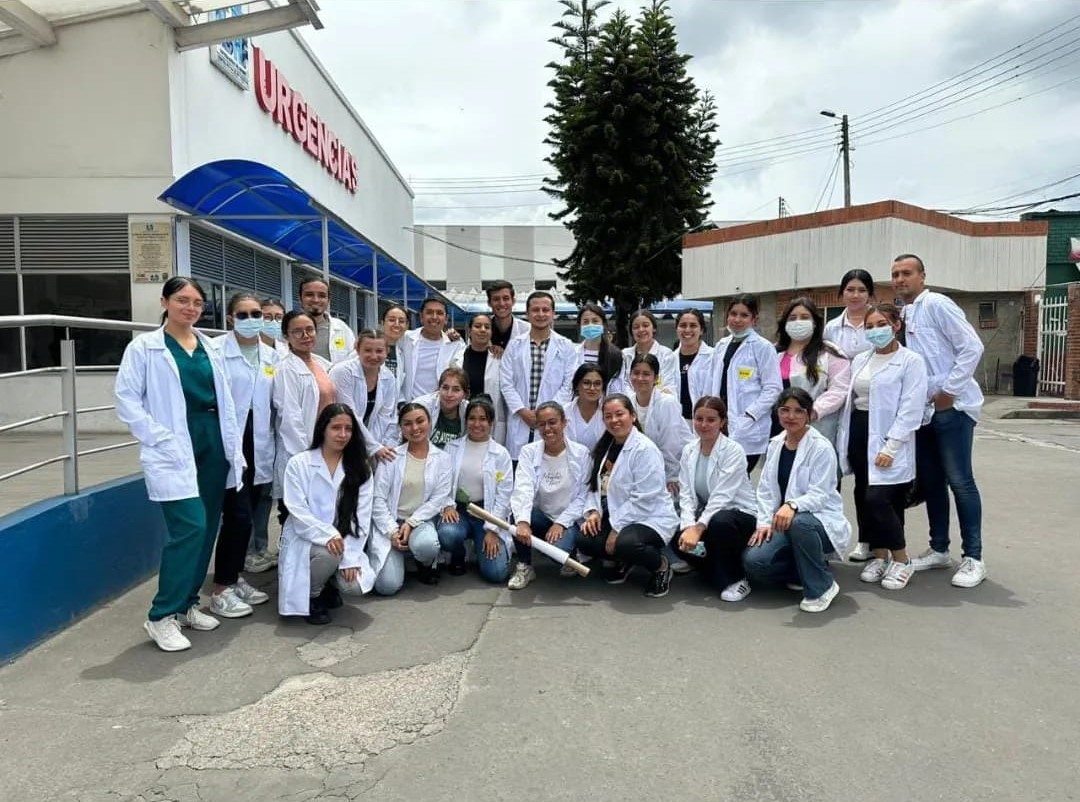
students at conference

Semester 7

  • Social and community psychology
  • Organizational psychology
  • Research Seminar II
  • Clinical psychology intervention
  • Educational psychology
  • Educational sport
  • Professionalization elective

Social sciences, humanities, and political science

STUDENTS TOGETHER

Semester 8

  • Practice and Case I
  • Field elective
  • Professionalization elective
  • Comprehensive General Education Elective
  • Disciplinary elective

Social sciences, humanities, and political science
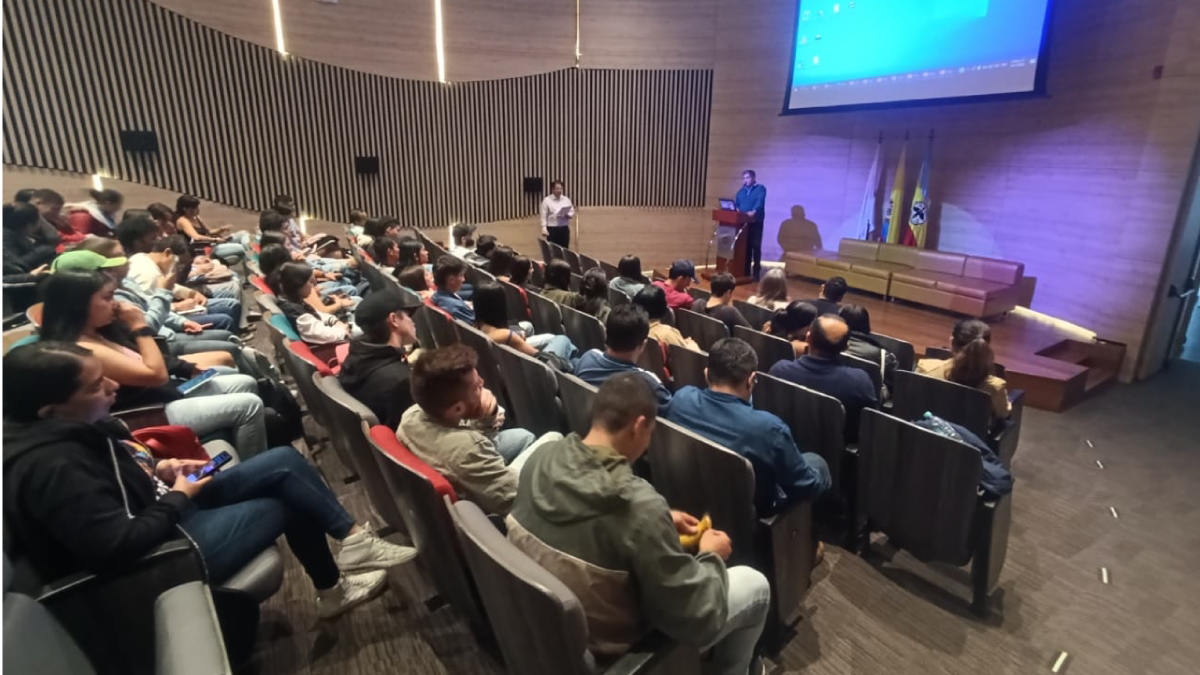
Recognition of research groups

Semester 9

  • Practice and Case II
  • Field elective
  • Professionalization elective
  • General comprehensive training elective

Social sciences, humanities, and political science
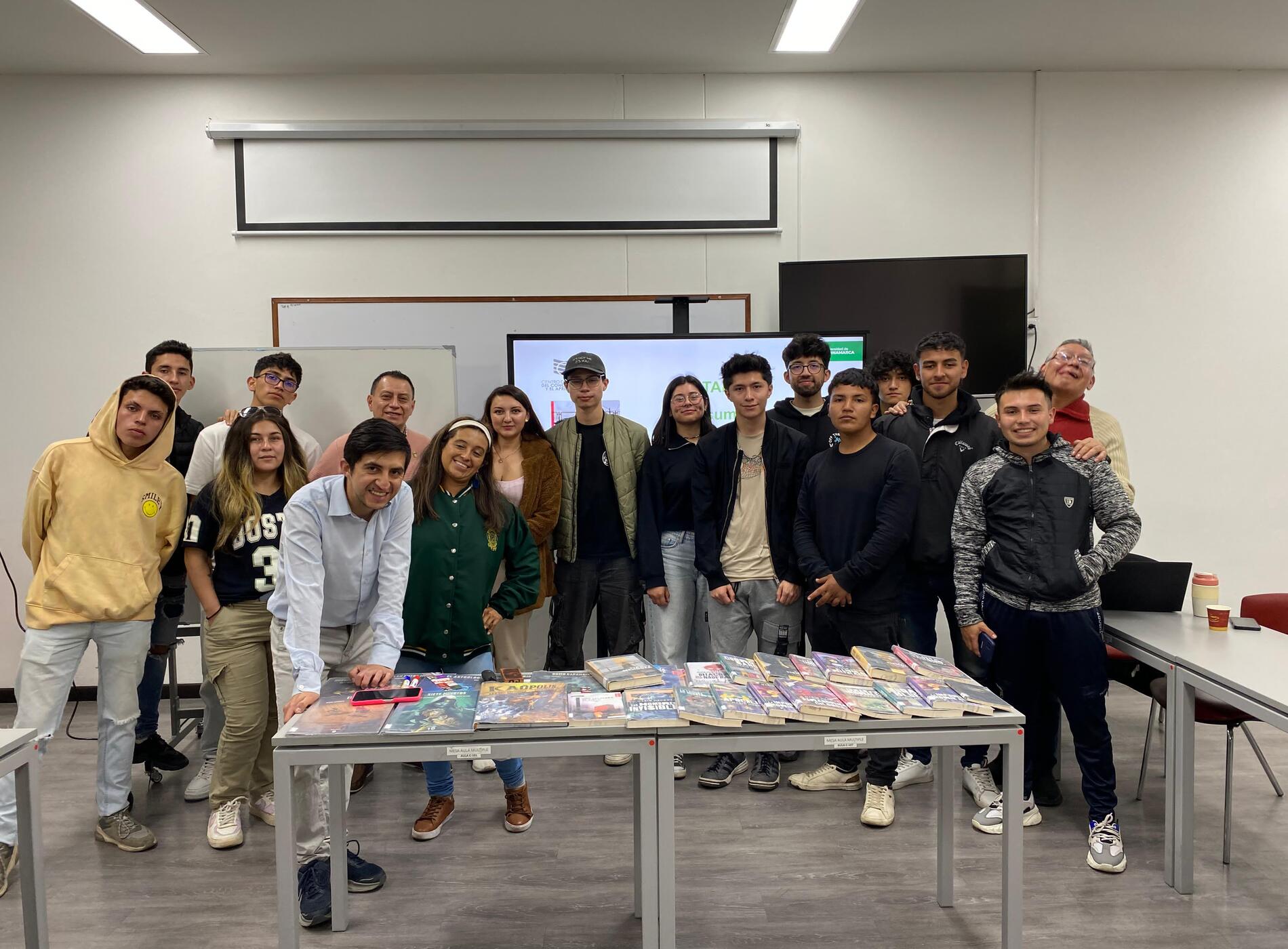
Literary Gathering - Chia

10th Semester

  • Thesis

Mission and Vision

Mission: The Psychology program, in the university-region context, will be recognized for its social relevance and impact on the Region, as a high-quality curricular proposal that contributes to the solution of the problems of the profession and society.


In terms of social outreach, a professional will be formed who will lead, through their competencies, programs that respond to the needs of the community and society in the country and the region.


The program will strengthen knowledge through research into various issues at the regional, national, and international levels, with the aim of transforming that knowledge into a tool that fosters understanding and enables societal transformation and improvement.


Vision: The Psychology Program at the University of Cundinamarca will foster the development of professionals who are leaders—ethical, critical, reflective, and inquisitive, with a sense of social responsibility—capable of understanding and transforming the challenges of their local environment, within the context of globalization, into opportunities for development, drawing on their knowledge and maintaining high standards of academic and research excellence.

Professional profile

The Professional Profile of the Psychologist at the University of Cundinamarca is designed to train professionals with a solid foundation of knowledge in their field, capable of working collaboratively with professionals from other disciplines in a critical and ethical manner, understanding social phenomena, and leading processes that contribute to solving problems that arise in their community, thereby improving the quality of life in the region to which they belong.


The following competencies will be developed:

  • Ability to interact socially with a sense of ethics, honesty, self-confidence, responsibility, and respect for different worldviews and human perspectives.
  • Capacity to engage with its regional context and respond to the expectations of the environment through academic and professional contributions.
  • Ability to manage the theoretical and disciplinary foundation necessary for the understanding of a bio-psycho-social and cultural human being, integrating and relating interdisciplinary contributions.
  • Ability to integrate new technologies into psychology as a discipline and as a profession.
  • Interpersonal skills that enable you to lead, facilitate, and energize social processes. The ability to apply psychological knowledge through the interpretation and understanding of individual, group, family, institutional, and relational psychological phenomena.
  • Capacity to respond to the problems of social reality through research.
  • Ability to work with teams from other disciplines, recognizing their contributions and strengthening teamwork to achieve common goals, while contributing expertise from one's own discipline.

Occupational Profile

The psychologist from the University of Cundinamarca possesses the knowledge and skills to work in fields of application of psychology in an ethical and methodological manner: educational psychology, community social psychology, organizational psychology.


Graduates will be able to work in hospitals, clinics, health centers, educational institutions, private and public companies, and in private practice.


In all educational institutions, a student guidance service shall be provided, the general objective of which shall be to contribute to the full development of the students' personality.


A professional specializing in human behavior, capable of managing the human resources department and applying a knowledge framework developed by science to an environment that demands a high level of competitiveness and qualifications.

Educational Objective

The University of Cundinamarca aims to train professionals in psychology within a biopsychosocial and cultural framework, equipping them with a high level of social and ethical commitment as well as a solid conceptual foundation that enables them to recognize the needs of their environment, thereby contributing to the well-being and quality of life of society and the community.
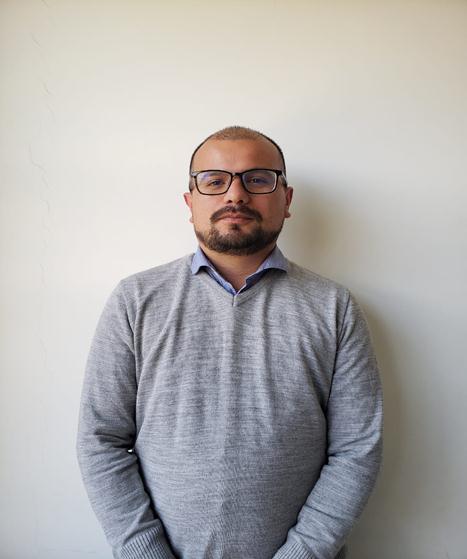
Professional Teacher Profiles

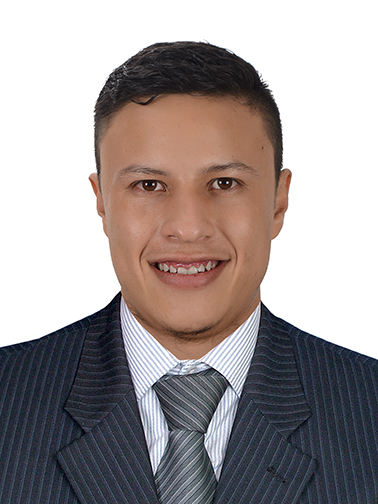
Adrin david galindo ubaque

Adrián David Galindo Ubaque

Psychologist, Master’s degree in Clinical and Family Psychology from Santo Tomás University.
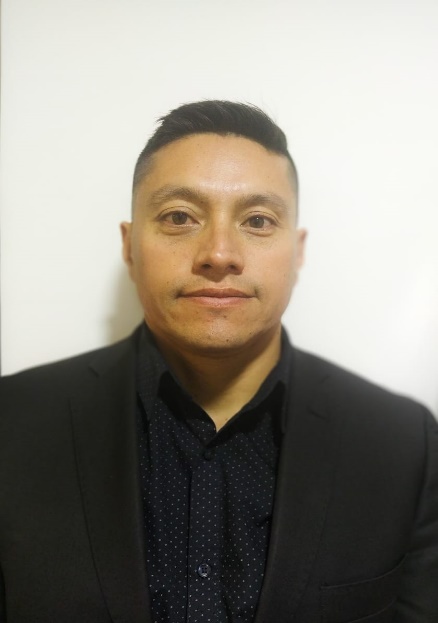
Jenny patricia bustos abril

Jenny Patricia Bustos Abril

Bachelor's degree in psychology, Master of Science in Interdisciplinary Social Research, Specialist in Complexity Sciences.
Enzo leandro rodrguez macas

Enzo Leandro Rodríguez Macías

Psychologist, National University of Colombia.
Fotografia felipe cortazar

Felipe Ramírez Cortázar

Psychologist, National University of Colombia
Jaime andres amaya gonzalez

Jaime Andrés Amaya González

Psychologist from the Cooperative University of Colombia

Historical Overview of the Program

The academic program in PSYCHOLOGY is framed within Resolution 3461 of December 30, 2003, of the Ministry of National Education as an undergraduate professional program. It was created by Agreement 023 of July 4, 2007, of the University's Superior Council, and its qualified registration and validity came into force by Resolution of the Ministry of National Education on December 20, 2010, initiating student admissions starting in the year 2011, as represented in the following timeline:


Creation Initial Registration Renewal Affiliation Update
2007 2010 2018 2023 2024
Creation regulation Agreement 019 of 2007. Qualified registration with MEN resolution 1, December 20, 2010. Renewal of qualified registration by MEN Resolution 02851 of February 21, 2018. Agreement 029 of September 5, the Psychology program was assigned to the Faculty of Health Sciences. Filing for the renewal of the Qualified Registry and curricular resignification of the Psychology program.

Team

Woman silhouette

María Nancy Garzón Soche

Dean
Woman silhouette

Sara Milena Niño Montero

Coordinator of the Psychology Program (Facatativá)

Contact

Faculty of Health Sciences

[email protected]

Girardot Branch
Block A (Administrative) – Floor 2

Faculty of Health Sciences

Faculty of Health Sciences

Faculty of Health Sciences

Faculty of Health Sciences