Institutional high-quality accreditation link stiky-sticky

▲ Back to Top

General information

Get to know the information that will help you take your next step.

User User User faces 1.5K

+1.500

Graduated students

Institution

University of Cundinamarca

Program Name

Bachelor of Arts in Social Sciences

Degree to be awarded

Bachelor in Social Sciences

Educational level

Undergraduate

Type of training

University Graduate

Methodology

In-person

Academic Credits

160

Estimated duration

9 semesters

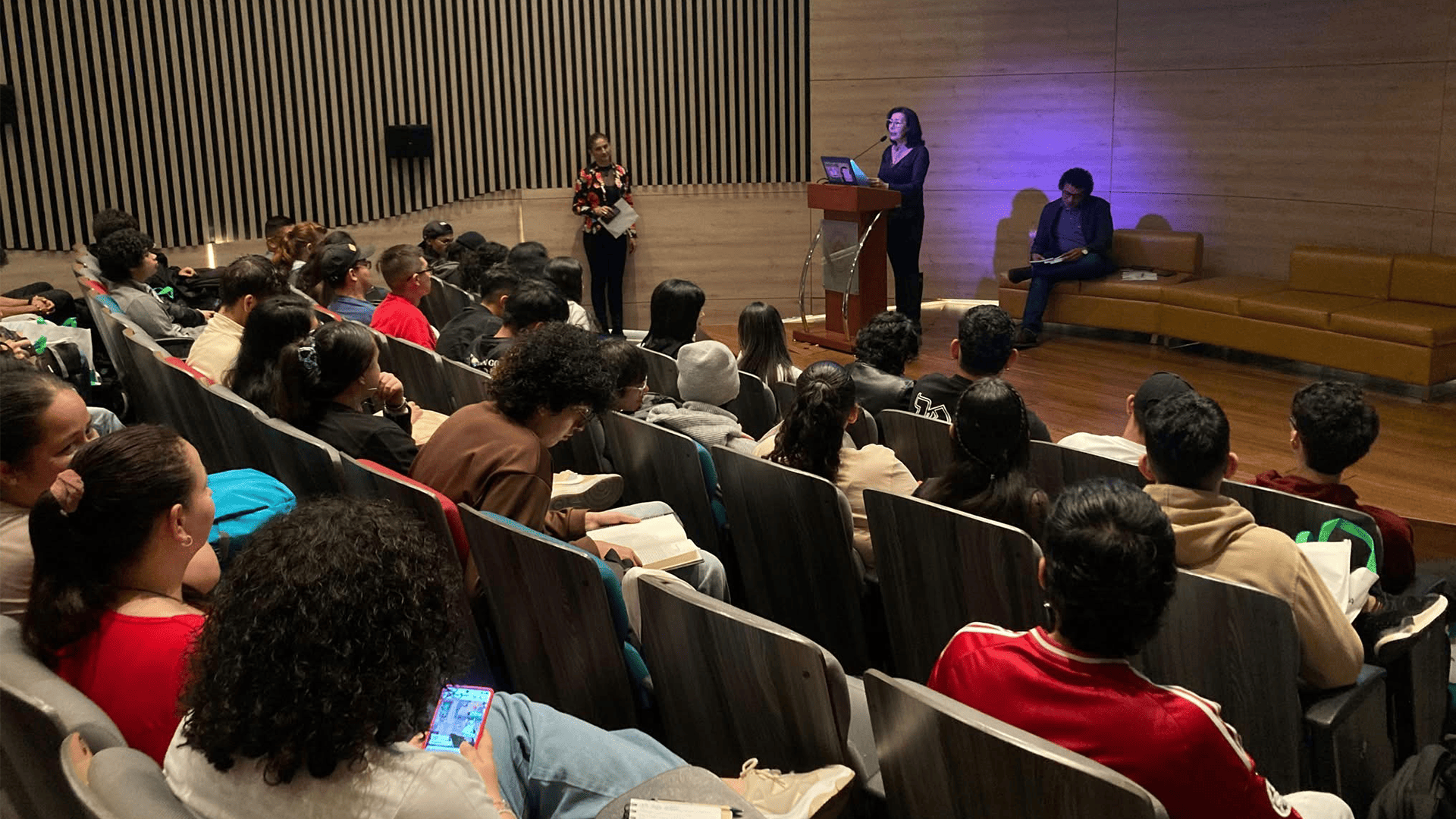
STUDENTS IN INTERNSHIPS Students at conference
REGISTER HERE

Learning path

View the subjects and phases that make up your undergraduate degree.


Education

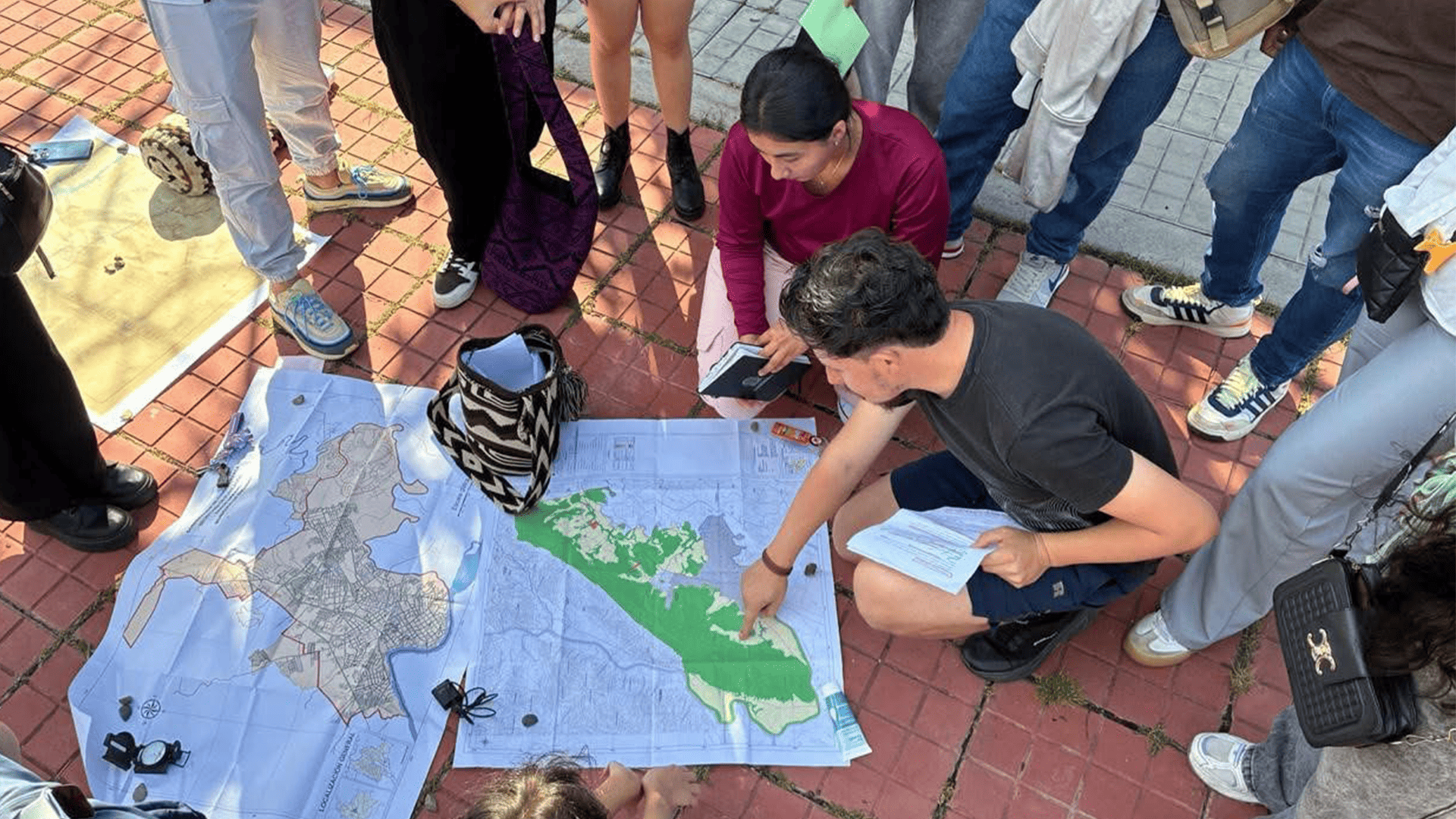
STUDENTS IN INTERNSHIPS

Semester 1

  • Theories and Methods of Social Thought.
  • Epistemology of the Social Sciences
  • Educational and Pedagogical Theories
  • General Pedagogy
  • Epistemology of educational sciences.
  • Cultural and educational contexts
  • Introduction to Anthropological Thought
  • ICL Logical and Quantitative Reasoning (DIAGNOSTIC)
  • CAI Logical and Quantitative Reasoning (LEVELER)
  • CAI Communication and Critical Reading (DIAGNOSTIC)
  • CAI Communication and Critical Reading (LEVELER)

Education

professional banners

Semester 2

  • Cognitive Development and Learning.
  • Contexts in community education and alternative pedagogies
  • Introduction to Historical Thinking
  • Introduction to Geographic Thought: Paradigms and Trends
  • Anthropology of Education
  • CAI 21st Century Citizenship (DIAGNOSIS)
  • CAI 21st-Century Citizenship (Leveling Exam)
  • Foreign Language CAI (DIAGNOSTIC)
  • Foreign Language CAI (PLACEMENT TEST)
  • CAI Logical and Quantitative Reasoning
  • CAI Communication and Critical Thinking I

Education

Self-assessment

Semester 3

  • Subjectivity and Culture
  • Educational Policies, Legislation, and Management
  • Inclusive Education and the Pedagogy of Diversity
  • Social and thematic cartography
  • Ethnoeducation Seminar
  • CAI Foreign Language
  • CAI Communication and Critical Thinking II
  • CAI 21st Century Citizenship

Education

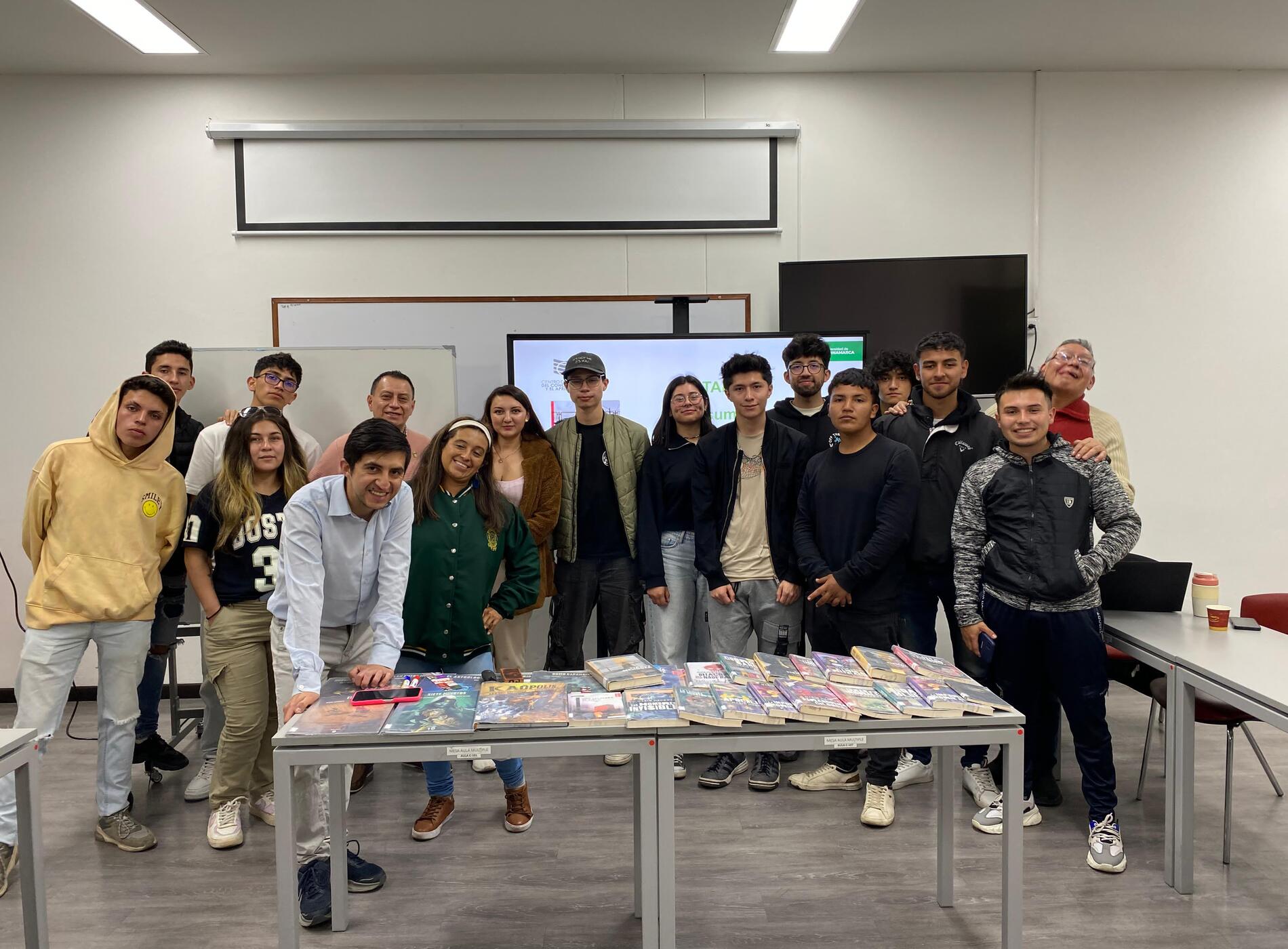
Literary Gathering - Chia

Semester 4

  • Methodological Perspectives on Research
  • Curriculum and evaluation
  • Internship in community contexts and social outreach
  • Ancient Societies
  • Physical Geography
  • CAI Foreign Language

Education

Photo of students talking

Semester 5

  • Project-Based Research Workshop in Education and the Social Sciences
  • Socioeducational ethnography
  • Didactics of Social Sciences with an emphasis on History
  • History of Modern Societies
  • Human and economic geography
  • CAI Science, Technology, and Innovation (DIAGNOSTIC)
  • CAI Science, Technology and Innovation (LEVELER-FOUNDATION THEORY)
  • CAI Entrepreneurship and Innovation (DIAGNOSIS)
  • CAI Entrepreneurship and Innovation (LEVELER)
  • CAI Foreign Language

Education

UNIVERSITY OF CUNDINAMARCA HIGHLIGHTS RESEARCH TALENT AT REDCOLSI 2026

Semester 6

  • Didactics of Social Sciences with an Emphasis on Geography
  • History of Contemporary Societies
  • Philosophy and society
  • Political thought and human rights
  • Deepening
  • CAI Foreign Language
  • CAI Science, Technology and Innovation I
  • CAI Entrepreneurship and Innovation I
  • CAI 21st Century Chair

Education

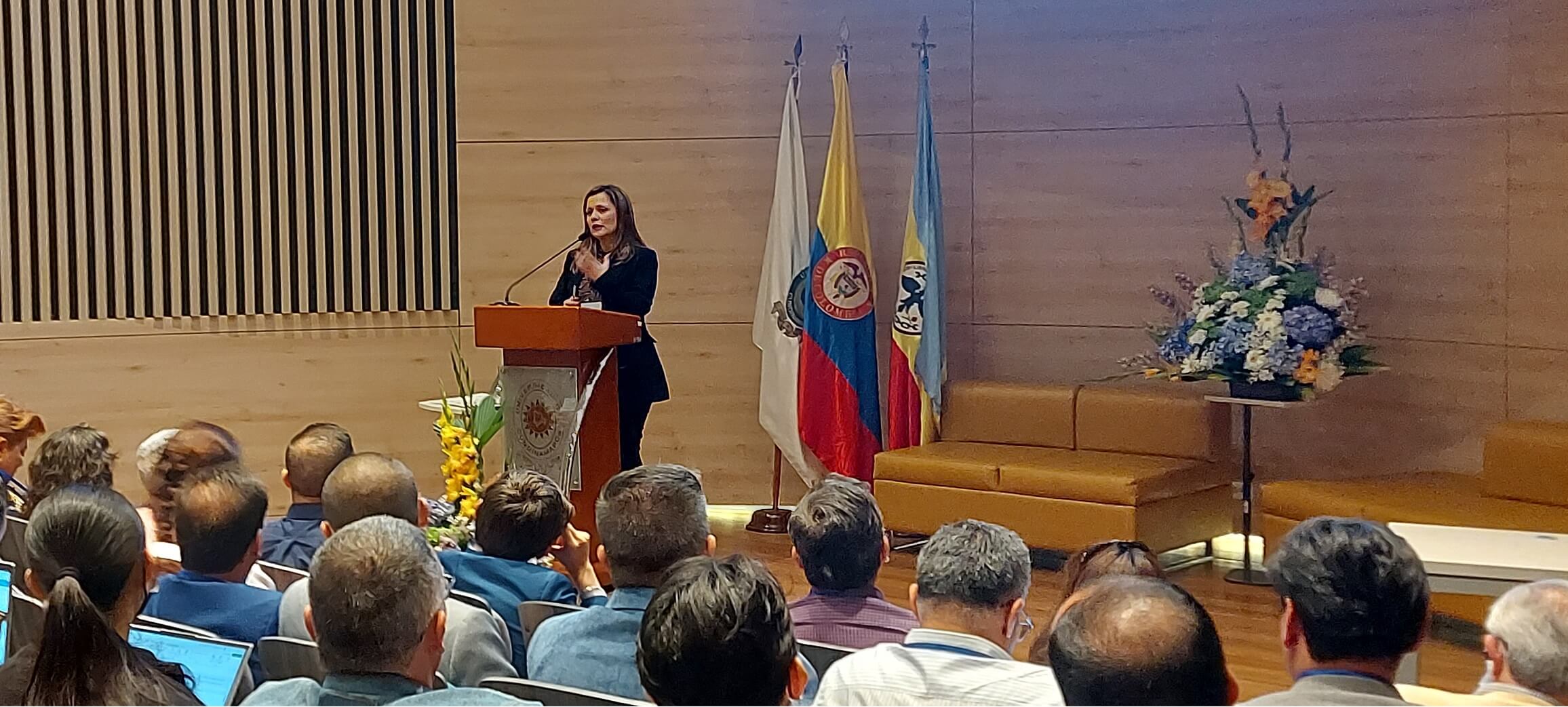
Students at conference

Semester 7

  • Educational practice in rural contexts
  • History of Colombia I
  • Rural Geography
  • Sociology of education
  • Deepening
  • IAC Science, Technology, and Innovation II
  • CAI Entrepreneurship and Innovation II

Education

Banner with student photo

Semester 8

  • Pedagogical thought and differential approaches in Social Sciences
  • Teaching Practice I
  • History of Colombia II
  • Economic thought
  • Urban Geography
  • Deepening
  • CAI Science, Technology and Innovation III

Education

Photo development plan

Semester 9

  • Thesis
  • Teaching Practice II
  • History of Latin America
  • Space Systems
  • Ethics and education
  • Deepening

Specialization tracks

Specialization tracks allow you to tailor your education to specific areas of interest. Through specialized modules and course content, you can strengthen your skills, deepen your mastery of key topics in your discipline, and move forward with greater clarity in your academic and professional pursuits.

  • Specialization Track: Education, Ruralities and Human Rights.
    Specialization: Specialization in
    Education, Ruralities and
    Human Rights.

  • Specialization Track: Region and Territory.
    Specialization: Specialization in Social Sciences, Region and Territory.

Mission and Vision

Mission: The program seeks to train educators who understand and act in intercultural contexts, recognize diversity, and act as agents of a culture of peace and coexistence to build training and learning processes articulated through research and innovation, with a high transformative capacity due to their level of leadership and expertise, acquired through the permanent exercise of pedagogical practices and evaluation processes in diverse educational environments; applying the different fields of knowledge of the Social Sciences at the regional and national levels, in close relationship and dialogue with international debates. The program seeks to train educators who understand and act in intercultural contexts, recognize diversity, and act as agents of a culture of peace and coexistence to build training and learning processes articulated through research and innovation, with a high transformative capacity due to their level of leadership and expertise, acquired through the permanent exercise of pedagogical practices and evaluation processes in diverse educational environments; applying the different fields of knowledge of the Social Sciences at the regional and national levels, in close relationship and dialogue with international debates.


Vision: The Bachelor's Degree in Social Sciences, recognized for its high quality, aims to contribute to the training of licensed professionals through a dialogic interaction of multiple disciplinary and research knowledge, with an impact on diverse territories and contexts. It influences culture and participates in educational processes of social transformation, the construction of a culture of peace, coexistence, and environmental conservation, at the local and translocal levels.

In the year 2034, the Bachelor's Degree in Social Sciences will continue to be an academically recognized program at the national level for its high quality in teacher training, capable of understanding its context to carry out educational processes with a regional, national, and international projection, and with a high commitment to human development that contributes to the social transformation of communities, based on the substantive functions of the University of Cundinamarca, which are training and learning, science, technology, and innovation, and university social interaction.


Objectives:

  • To train professional graduates in teaching and learning processes of the Social Sciences, capable of understanding the educational and/or community context to contribute to the construction of a peaceful society.
  • Train Social Science educators in the pedagogical and didactic competencies that enable them to perform their professional work with the highest standards demanded by institutions and/or social and community organizations.
  • To train graduates in transdisciplinary knowledge of the social sciences and humanities with the capacity to interact with communities at the local and translocal levels, and to be capable of transforming the environments and territories where they carry out their pedagogical work.
  • Train Social Science teachers with competencies in the management of technological and innovative tools for the understanding and solution of local and translocal problems of the social sciences in the institutions and communities where they carry out their pedagogical work.
  • Generate a culture of permanent updating in new didactics for teaching social sciences, as well as the implementation of information technologies in education in accordance with the new demands of the 21st-century educational system.
  • Foster the defense of life, democratic values, freedom, and civility as principles of personal and social formation.

Applicant Profile

Students

Applicants for the Bachelor's Degree in Social Sciences are individuals characterized by a constant concern for the social problems around them, who demonstrate interest in and empathy for the teaching profession, and who express a desire to pursue professional development in the fields of pedagogy and the social sciences, articulating their career with the construction of their life project. In addition to their initial professional vocation, applicants demonstrate a high level of logical-mathematical, reading-writing, and argumentative skills, as well as attitudinal competencies such as critical and proactive thinking.
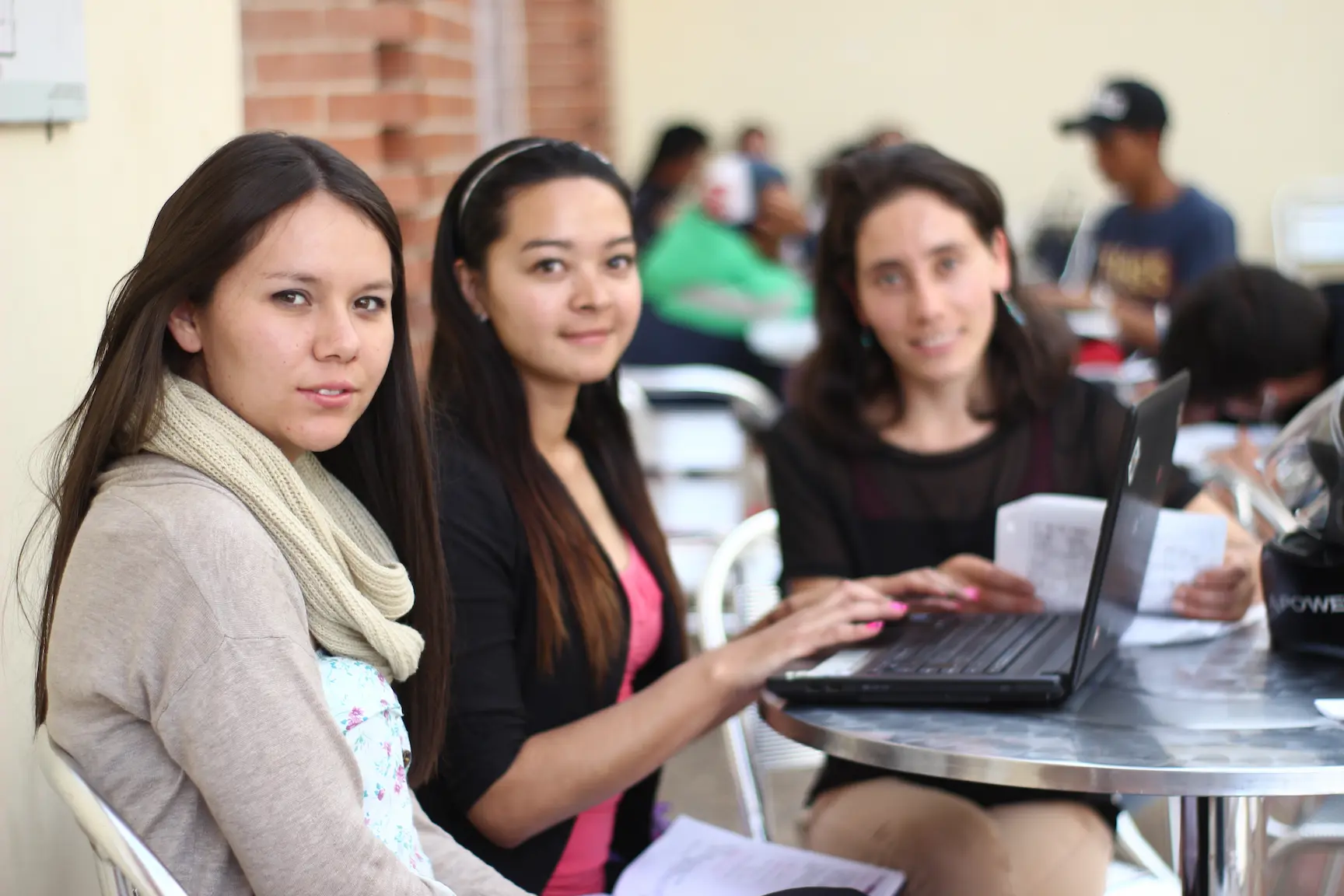
Professional Profile

students-2

Graduates in Social Sciences from the University of Cundinamarca, as qualified education professionals, will be capable of conducting critical and reflective readings of the training contexts where they carry out their pedagogical work, addressing the educational and social issues of their community through their disciplinary training, teaching practice, research, and technological innovation.


They will be professionals with a high sense of humanity, guided by their philosophical-political and historical-cultural stance, who responsibly and respectfully assume the commitments of training and learning, such as designing, planning, directing, and developing innovative and quality pedagogical proposals in the field of social sciences in the performance of their pedagogical work across the different processes, cycles, and activities of formal, informal, and non-formal education.


In accordance with the transmodern digital educational model (MEDIT), the Bachelor of Social Sciences is comprehensively trained to perform professional occupations related to education and the social sciences in alignment with the demands of the modern world and the National Framework of Classifications of Occupations and Professions (2022).
Occupational Profile

Students

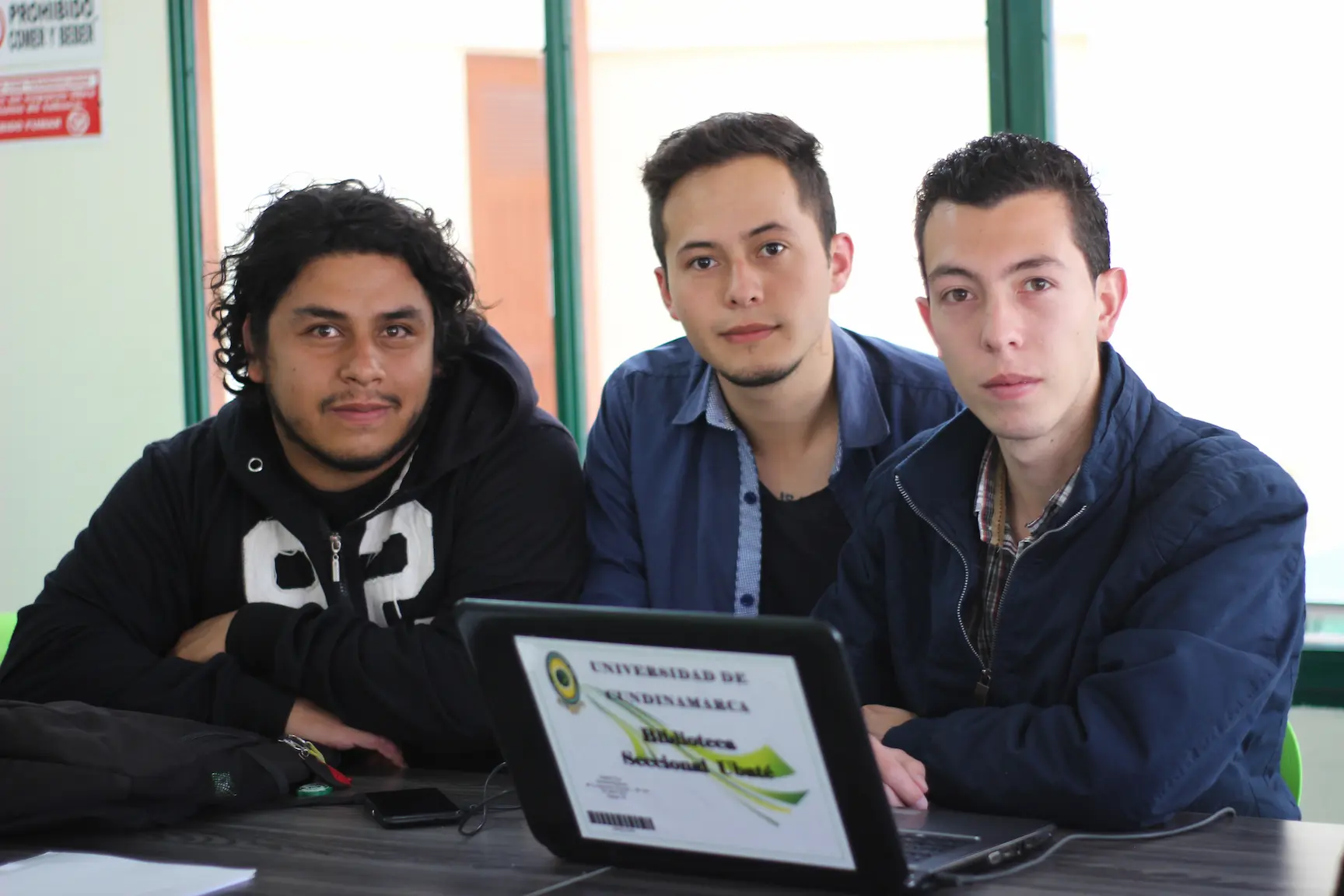
The Bachelor in Social Sciences from the University of Cundinamarca may work in professional positions such as:


  • Teachers of the Social Sciences area in Primary and Secondary Education Institutions of the Colombian Educational System.
  • Leaders and social managers of public policy, as well as institutional, community, and social educational programs and projects, in both the public and private sectors.
  • Pedagogical advisors and researchers in social science education and curriculum design.
  • School administrators in formal education institutions and processes, as well as in education for work and human development.

Training Purpose

To train graduates with human, social, and democratic values and solid pedagogical, humanistic, disciplinary, investigative, innovation, and entrepreneurship knowledge, to develop training and learning processes in the area of Physical Education, Recreation, and Sports, aimed at improving the quality of life of individuals.

Professional Teacher Profiles

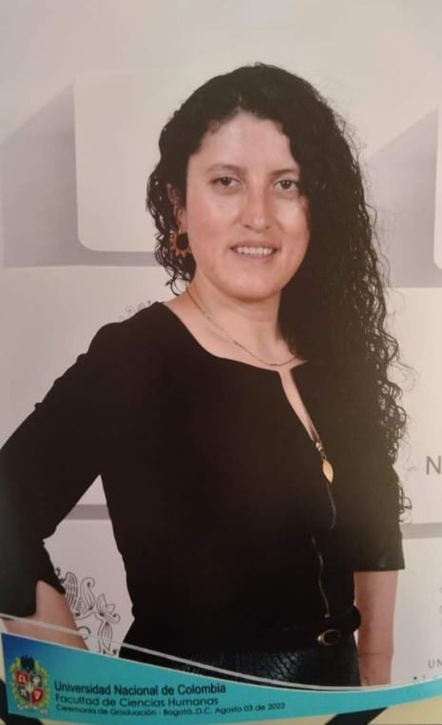
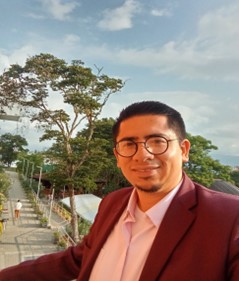
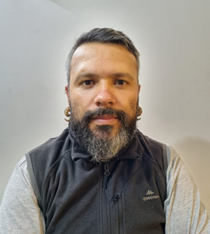
Marco Ren Rodriguez Ortiz

Marco René Rodríguez Ortíz

Anthropologist, National University of Colombia
Gloria Mara Ortegan Amaya

Gloria María Ortegón Amaya

Bachelor of Science in Education with a specialization in Spanish and English, National Pedagogical University of Bogotá
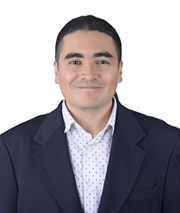
Juan Diego Demera

Juan Diego Demera

Anthropologist. National University of Colombia
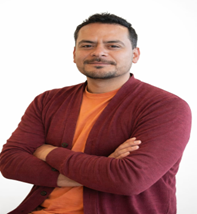
Luis Alvaro Cardenas Pachon

Luis Álvaro Cárdenas Pachón

Education Technician. ITUC
Nidian Johana Sanabria Cárdenas

Nidian Johana Sanabria Cárdenas

Psychologist, National Open and Distance University
Omar Rivera

Omar Rivera

Bachelor of Social Sciences. National Pedagogical University. Specialization in Educational Communication. Minuto de Dios University
Yanira Roco Sanchez Chaparro

Yanira Rocío Sanchez Chaparro

Master's Degree in Philosophy. Santo Tomás University. Specialist in Education. Santo Tomás University.
Yuri magnolia arias montenegro

Yuri Magnolia Arias Montenegro

Philosopher. National University of Colombia. 1991. Master's in Interdisciplinary Social Research. Francisco José de Caldas District University. 2012
Zandra Maritza Tarazona Carrascal

Zandra Maritza Tarazona Carrascal

Bachelor's Degree in Preschool Education and Family Promotion, Santo Tomás University; Specialist in Educational Informatics, Francisco de Paula Santander University
Marta Bernal Mora

Martha Isabel Bernal Mora

Geographer - National University of Colombia. Master's in Geography - National University of Colombia
Julio Guasca Mayungo

Julio Cesar Guasca Mallungo

Bachelor of Arts in Basic Education with an Emphasis in Social Sciences - University of Cundinamarca. Master of Arts in Social Studies - National Pedagogical University
Hector Rodriguez

Hector Rodriguez Tunubala

Bachelor of Social Sciences, Constitution and Democracy, Year 2000. Master of Latin American Philosophy, Santo Tomas University, 2006.
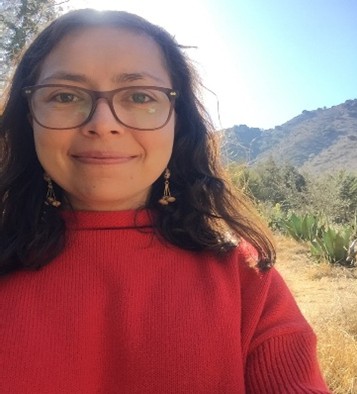
Orfilia damiano

Orfilia Damiano Obando

PhD candidate in Communication. Ibero-American University - Mexico City (Mexico). Master's degree in Historical Studies. Autonomous University of Querétaro (Mexico)
Manuel Andrés García Escobar

Manuel Andrés García Escobar

Geographer - National University of Colombia; Master in Educational and Social Development - National Pedagogical University CINDE
Germán Andrés Quimbayo Ruiz

German Andrés Quimbayo Ruiz

Ecologist, Pontifical Javeriana University, Bogotá, Colombia. Master's in Geography, University of the Andes, Colombia
Andrés Rodrigo López Martínez

Andrés Rodrigo López Martínez

Bachelor of Social Sciences. University of Cundinamarca (UDEC), Colombia. Master of Sociology. Latin American Faculty of Social Sciences (FLACSO), Ecuador.
Liliana Almanza Romero

Liliana Almanza Romero

Bachelor's degree in Basic Education with an emphasis in Social Sciences. Specialist in Pedagogy – National Pedagogical University.

Historical Overview of the Program

Creation Bachelor's Degree Opening Change of Focus
1977 1984 2003
Creation of the Faculty of Educational Sciences.

• 1996: Named Faculty of Education and Basic Sciences.
• 1999: Name of Faculty of Education.

The Bachelor's Degree in Social Sciences was established on July 20th.

• 2000: Change of name by Agreement 003-2000 to: Bachelor's Degree in Basic Education with emphasis on Social Sciences.

In compliance with Decree 272 of 1998, the program obtains prior accreditation according to Resolution 1895 of 2003.

• 2016: The self-assessment exercise is carried out.

Institutional Accreditation Quality Renewal Resignification and Future
2017 2021 2024 – 2025
Obtaining High Quality Accreditation through MEN Resolution 11718 of 2017.

Name change by Res. 2041 (03-02-2016) returning to: Bachelor of Social Sciences.

• 2019: Incorporation into the Transmodern Digital Educational Model (MEDIT).
• 2020: New self-assessment exercise.

Renewal of High Quality Accreditation according to MEN Resolution 7350 of 2021.

• 2022: Development of the corresponding scheduled self-assessment exercise.

• 2024: Application for Renewal of Accreditation submitted to the CNA in July. Redefinition of the program approved by the MEN on 12-09-2024.


• 2025: In the 2025-2 period, the second semester of the Resignified pathway is offered, while semesters IV through X continue under the old plan. The full program launch is formalized under the MEDIT guidelines.
Figure: Historical overview of the Bachelor's Degree in Social Sciences – Faculty of Education, University of Cundinamarca.

Guidelines

____________

Geoviewer

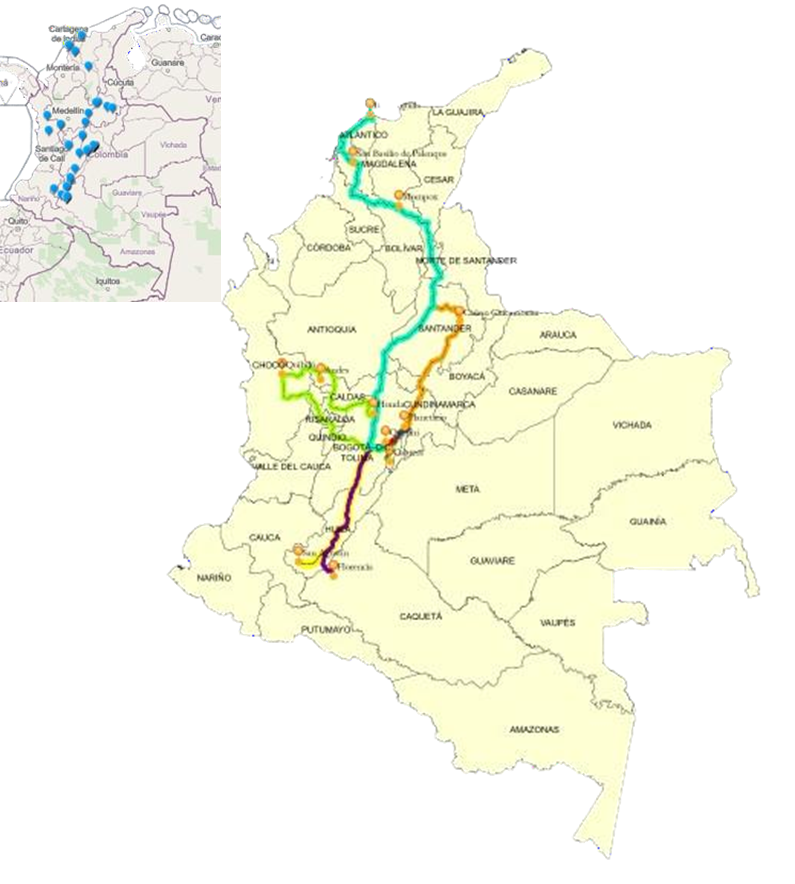
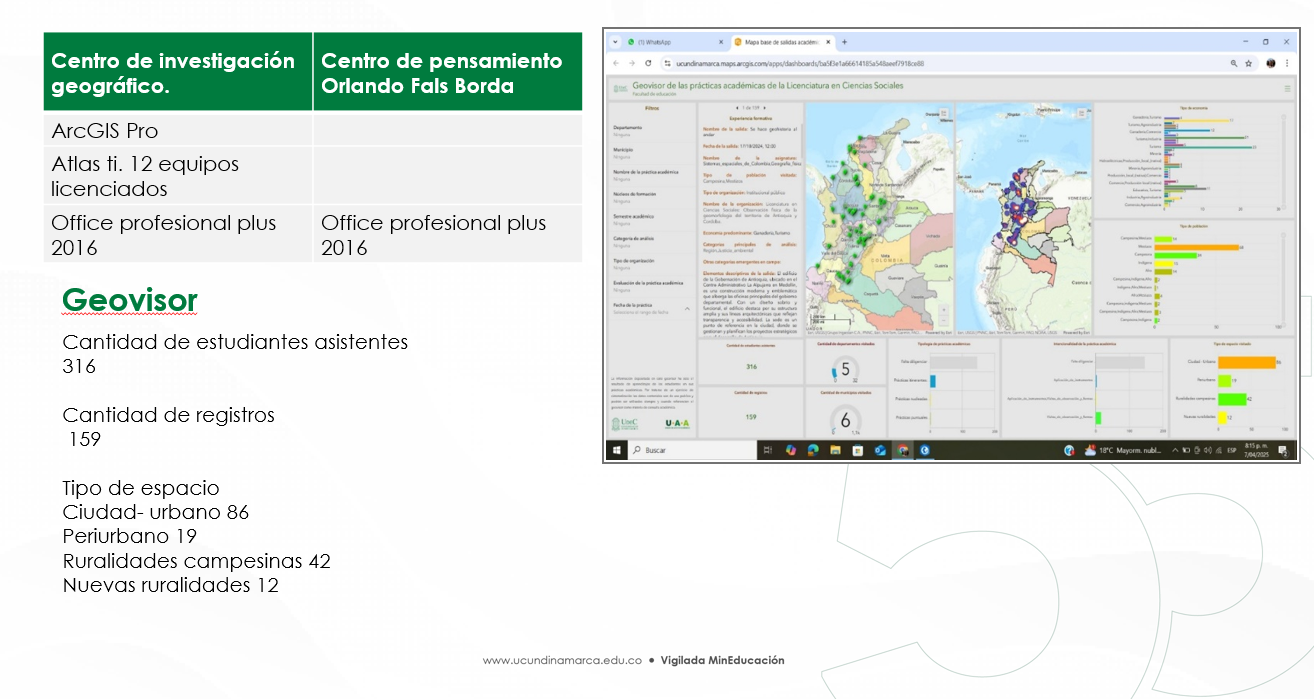
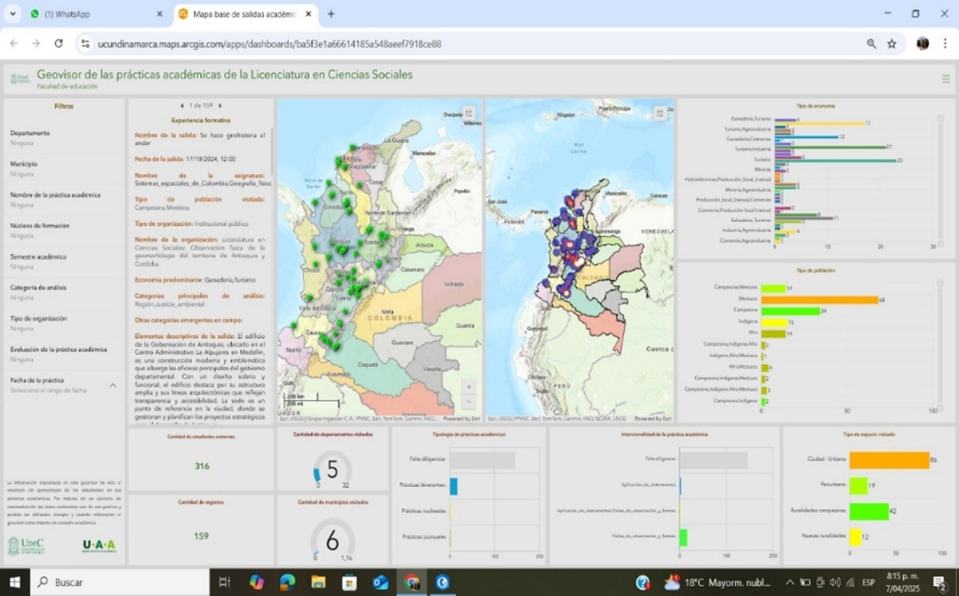
The geoviewer, or dashboard, is a tool used to analyze the impact of learning experiences and identify the unique characteristics of each from a socio-spatial perspective. It also serves as a learning repository where students record their experiences, which are then represented in graphs with both qualitative and quantitative data. This geoviewer is interactive, featuring dynamic filters that enable navigation and information recognition, including images and locations of the learning experiences.

Documents of interest

Team

Woman silhouette

Maria Nancy Garzon Soche

Dean F.A.
Silhouette of a Man

Jorge Leonardo Tapias Ordoñez

Coordinator of the Bachelor's Degree in Social Sciences (Fusagasugá)

Contact

Faculty of Education

Fusagasugá Branch
Block F – 1st Floor
(+57 1) 828 1483 Ext. 234 / 156 / 158 / 159 / 161

School of Education

School of Education

School of Education

School of Education