If you have any questions, doubts, or concerns, please send an email to
It is the only authorized source for direct information about the event.


I am your virtual assistant, here to help you quickly and easily.
▲ Back to Top
Bioremediation is a technology that uses microorganisms (bacteria, fungi, algae) or enzymes to biodegrade petroleum and derivative pollutants, as well as other contaminants present in soil, air, or water. In Latin America, there is a high degree of ecosystem pollution; therefore, this technology is economically and environmentally viable for degrading pollutants. Polycyclic aromatic hydrocarbons, such as asphaltenes and resins, are difficult to degrade, as are aliphatics and polychlorinated biphenyls.
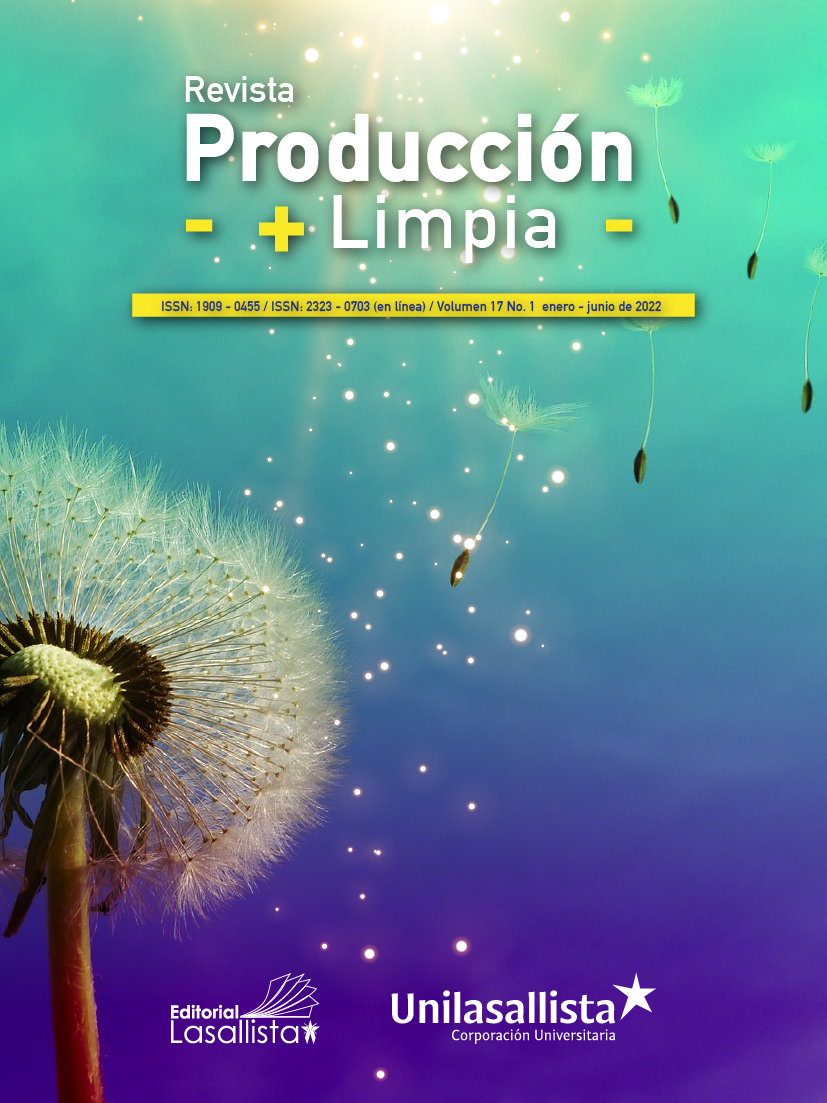
Biological collections are libraries of specimens that represent the primary source of information on the biodiversity of a region. These historical archives make it possible to conduct studies in taxonomy, physiology, and ecology, among others, which are fundamental for driving environmental conservation measures. In this article, we emphasize entomological collections, which can be generated without affecting their populations. Likewise, non-scientific collections are a problem that threatens showy and scarce insects. We conclude that the dissemination and exhibition of biological collections is one of the starting points for the conservation of the planet's biodiversity.

Many people have had pests and fungi on the plants they keep in their homes. In Manos y Oficios we will learn how to make organic pesticides that help us prevent or control the visits of the animals that cause them.
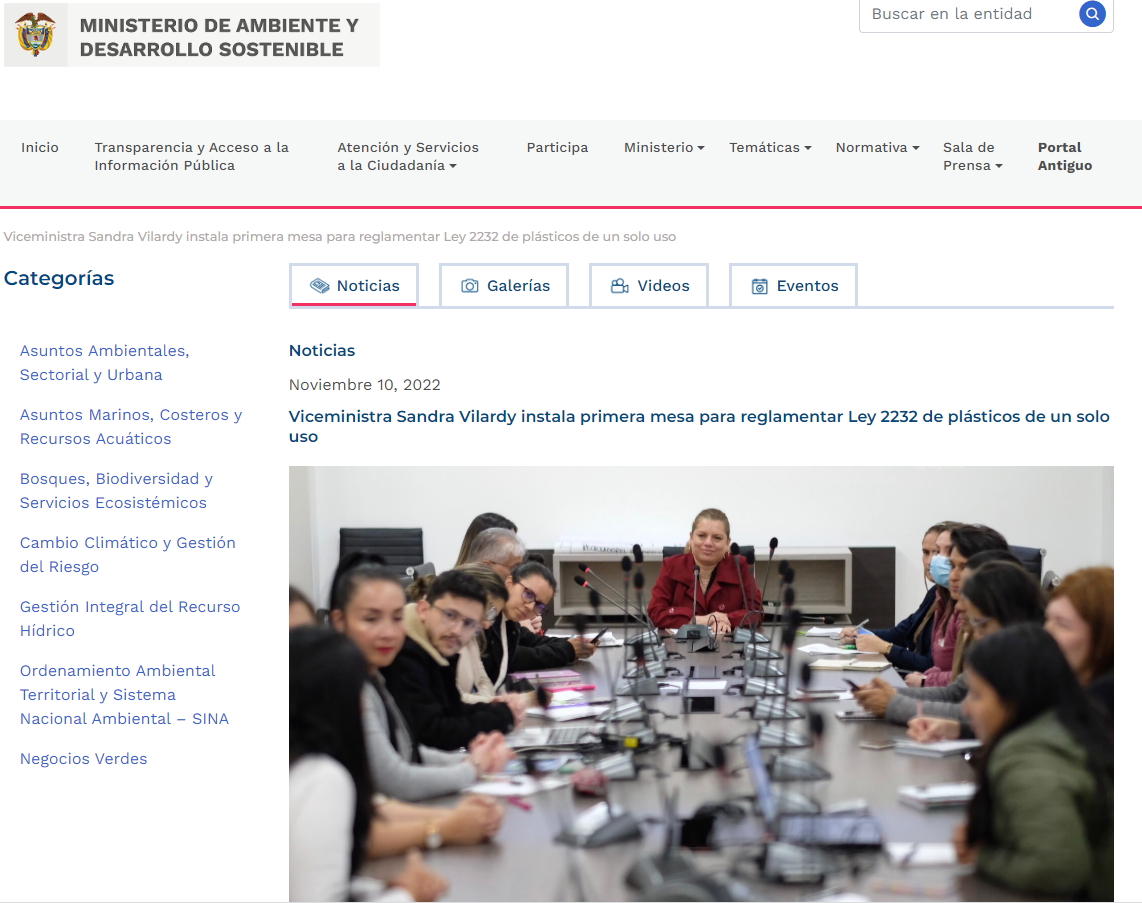
The initiative seeks to gradually enforce the ban on single-use plastics.
The Vice Minister of Environmental Policies and Standardization of the MADS stated that “The Plastics Law gives us the opportunity to work hand in hand with all stakeholders to achieve a better transition away from single-use plastics. We are going to discover a different kind of economy, and today we must carry out a cultural process of caring for the planet, which must involve caring for the way we handle these plastics. We are moving toward a national policy for the gradual and sustainable reduction of single-use plastics.”.
Specific Agreement No. 003 of 2020 entered into between Patrimonio Natural Fund for Biodiversity and Protected Areas, National Natural Parks of Colombia – Caribbean Territorial Directorate and the Colombian Corporation for Agricultural Research – AGROSAVIA.
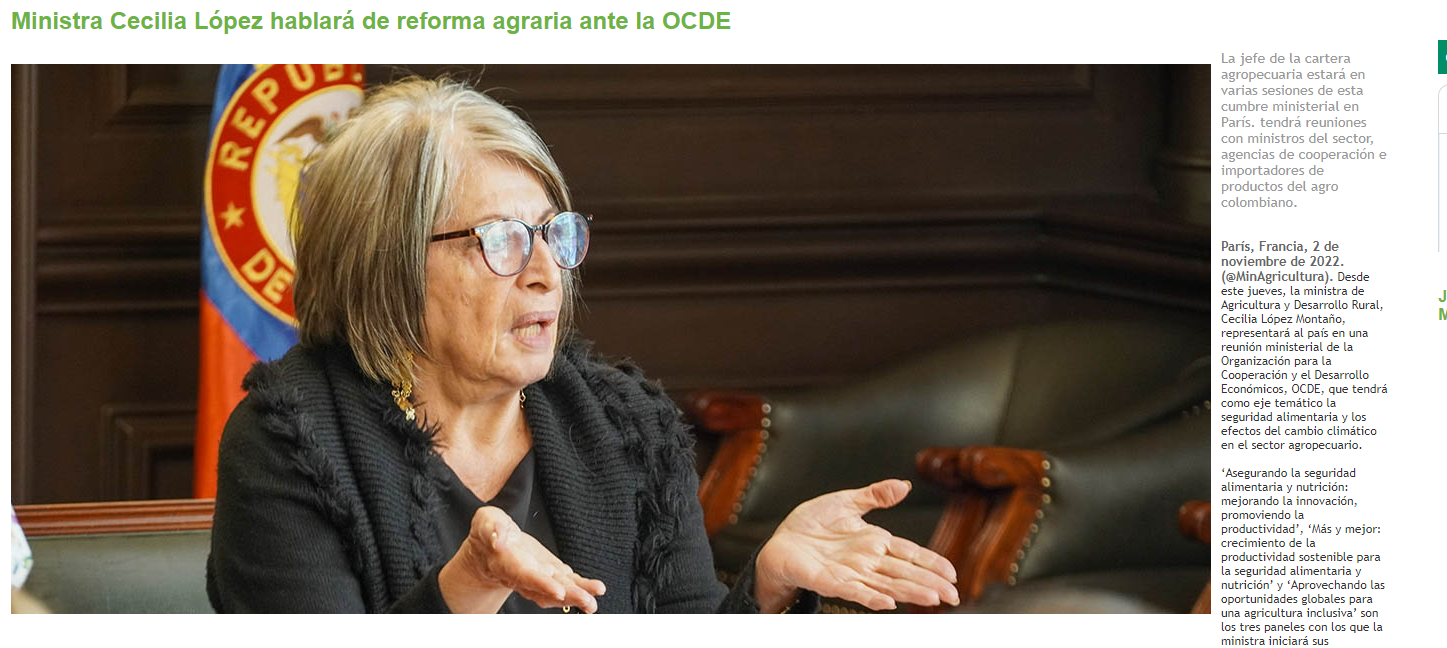
The head of the agricultural ministry will be in several sessions of this ministerial summit in Paris. She will have meetings with ministers of the sector, cooperation agencies, and importers of Colombian agricultural products.
If you have any questions, doubts, or concerns, please send an email to
It is the only authorized source for direct information about the event.
CGCA
CGCA
CGCA
CGCA